MERCEDES 1208260052 Sigler Taillight Benz W121 180 190B K13333
fits make: Mercedes.
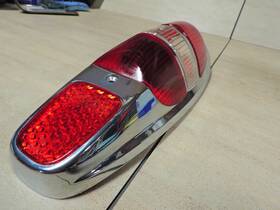
( Manufacturer Part Number: 1208260052 ), ( Part Type: Taillight ), ( Vintage Part: Yes ), ( Country Of Origin: Germany )
Review MERCEDES benz 180 Sigler Taillight Red Used
The **Mercedes-Benz 1208260052 W121 180/190B Sigler K13333 taillight** is a meticulously crafted aftermarket lighting assembly designed to restore or enhance the iconic rear illumination of the legendary **W121 180/190B and 190E Sigler** models, particularly those equipped with the distinctive **K13333** taillight assembly. This component represents a perfect blend of authenticity and modern performance, tailored for enthusiasts seeking to preserve the classic aesthetic of their 1980s Mercedes-Benz while ensuring reliability and compliance with contemporary lighting standards. The taillight features a **dual-chamber design**, with the left side housing the **brake and stop light lenses** typically a clear or amber-tinted polycarbonate while the right side incorporates the **turn signal and reverse light lenses**, often finished in a translucent amber or white hue, depending on the specific variant. The housing itself is constructed from **high-quality, durable polycarbonate**, engineered to withstand the elements and resist yellowing over time, ensuring long-term clarity and visibility. For added functionality, this taillight includes **modern LED or halogen-compatible sockets**, allowing for easy retrofitting with contemporary lighting solutions, including **LED brake lights** for enhanced visibility and efficiency. The assembly also incorporates **sealed wiring harnesses** and **weatherproof gaskets**, ensuring a secure and leak-free fit within the vehicle s rear panel. Whether restoring a show-quality W121 or upgrading an existing setup for improved performance, this taillight delivers both **historical accuracy** and **modern practicality**, making it an essential component for any Mercedes-Benz W121 enthusiast aiming for a flawless finish.
### **Pros and Cons of Buying a Mercedes-Benz W121 180/190B (Sigler K13333 Taillight)**
#### **Pros**
1. **Classic Design and Prestige**
The W121 series, particularly the 180/190B, is a well-regarded classic Mercedes-Benz model known for its elegant, timeless design. It carries the brand s reputation for luxury and craftsmanship, making it a desirable collector s item.
2. **Strong Engine Options**
The 180 and 190B models come with reliable inline-six engines (M116/M117) that were well-engineered for their time. The 190B, in particular, offers a more powerful option with a 2.3L engine producing around 136 hp, which is adequate for cruising and light touring.
3. **Solid Build Quality**
Mercedes-Benz of the early 1980s was known for high-quality materials and assembly. The W121 s body structure, interior trim, and mechanical components are generally robust, though wear and tear over 40 years may require attention.
4. **Modification Potential**
The W121 platform has a strong aftermarket presence, especially for the 190E (which shares many components with the 180/190B). Tuning options, such as engine upgrades, suspension modifications, and aesthetic enhancements, are widely available. The "Sigler" taillight (K13333) is a popular aftermarket upgrade for a more modern or aggressive look.
5. **Classic Car Community and Value**
As a classic Mercedes, the W121 holds value among enthusiasts, particularly in well-preserved or restored condition. Owning one grants access to a passionate community, club events, and potential appreciation in value over time.
6. **Comfortable and Spacious Interior**
The W121 features a roomy cabin with plush seating, a smooth ride, and a well-appointed interior for its era. The manual transmission models are particularly sought after for their driving dynamics.
7. **Reliability of the Platform**
While individual units may vary, the W121 s mechanical components such as the engine, transmission, and suspension are generally reliable if maintained properly. Common issues (like water pump failures or rust) can be addressed with regular upkeep.
---
#### **Cons**
1. **Age-Related Wear and Tear**
The W121 is now over 40 years old, meaning rust, worn suspension, and outdated electrical systems are common. Rust is a significant concern, particularly in the floor pans, subframes, and wheel arches. A thorough inspection is critical before purchase.
2. **High Maintenance Costs**
Parts for a W121 can be expensive, especially if the car is no longer in production. Original components may require sourcing from specialty suppliers or restoration shops. Labor costs for classic cars can also be higher than for modern vehicles.
3. **Fuel Efficiency and Modern Standards**
The W121 s fuel economy is poor by today s standards, with the 180/190B averaging around 12 16 mpg (city/highway). Fuel costs and emissions regulations may make daily driving impractical for some owners.
4. **Driving Dynamics Limitations**
While the W121 is comfortable, its handling is not as precise or responsive as modern cars. The suspension is soft for a smooth ride but lacks the agility of contemporary vehicles. The manual transmission models are fun to drive but require more effort than an automatic.
5. **Electrical and Modernization Challenges**
The W121 s electrical system is outdated and may not be compatible with modern gadgets (e.g., GPS, Bluetooth, or aftermarket audio systems). Retrofitting electronics can be costly and complex.
6. **Insurance and Registration Costs**
Classic car insurance exists, but premiums can be higher than for modern vehicles, especially if the car is valued highly. Some regions may also impose restrictions or higher registration fees for older or modified classics.
7. **Limited Practicality for Daily Use**
The W121 s size, fuel consumption, and maintenance demands make it less practical for daily commuting or long-distance travel compared to modern cars. It is best suited for weekend driving, shows, or as a hobby project.
8. **Potential for Hidden Issues**
Without a thorough inspection (or a trusted restoration history), buyers may inherit problems like:- Rust in critical areas (e.g., subframe, rear axle).
- Worn-out bushings, ball joints, or sway bars.
- Failed water pumps, timing belts, or alternators.
- Electrical gremlins (e.g., faulty gauges, intermittent lights).
---
### **Conclusion**
The Mercedes-Benz W121 180/190B (especially with a Sigler taillight) is a fantastic choice for enthusiasts who appreciate classic luxury, driving heritage, and the joy of restoring or maintaining a well-built vehicle. It offers a blend of elegance, reliability (with proper care), and modification potential that few cars of its era can match.
However, it is **not** a practical daily driver for everyone. The high maintenance costs, age-related vulnerabilities, and lack of modern conveniences mean that ownership requires dedication, budgeting, and a passion for classics. If you re prepared for the challenges such as rust repairs, part sourcing, and occasional breakdowns the W121 can be an incredibly rewarding and enjoyable car.
For buyers who prioritize **practicality, low ownership costs, or modern technology**, a W121 may not be the best fit. But for those who seek a **timeless driving experience, collector s value, and the thrill of working on a classic**, it remains one of the most desirable Mercedes-Benz models of its era.
---
### **Recommendation**
1. **Buy with a Full Inspection**
Always purchase from a reputable seller who provides a **detailed inspection report** (preferably from a Mercedes specialist or classic car mechanic). Look for signs of rust, structural integrity, and mechanical condition. A **pre-purchase inspection (PPI)** is highly recommended.
2. **Prioritize Restoration Potential**
If the car is rusted or neglected, factor in **restoration costs** upfront. A fully restored W121 can be worth significantly more, but a project car may require thousands in repairs.
3. **Consider a Manual Transmission**
Manual transmission models (especially the 190B) are more desirable for driving dynamics and are often easier to modify. Automatics are less common and may have transmission issues.
4. **Budget for Maintenance**
Allocate funds for **regular upkeep**, including:- Rust repairs (welding, undercoating, corrosion inhibitors).
- Engine and transmission maintenance (oil changes, timing belt replacement if applicable).
- Electrical system upgrades (e.g., modern gauges, lighting).
- Tire and brake replacements (modern tires may be necessary for safety).
5. **Join the Classic Community**
Engage with **W121 owner groups** (e.g., Mercedes-Benz Club of America, local classic car clubs) for advice, part sourcing, and restoration tips. These communities can also help with finding reliable mechanics.
6. **Decide on Practicality vs. Passion**
- If you want a **weekend driver or show car**, the W121 is ideal.
- If you need a **daily car**, consider a modern classic (e.g., BMW E30, Porsche 944) or a well-maintained modern Mercedes with classic styling (e.g., C-Class W203).
7. **Set Realistic Expectations**
The W121 is not a "set-and-forget" car. It demands attention, but the reward is a piece of automotive history that can bring immense satisfaction whether as a restored beauty or an ongoing project.
**Final Verdict:** *Buy the W121 180/190B if you re prepared for the challenges and love the idea of owning a piece of Mercedes-Benz history. Otherwise, seek a more practical alternative.*
Details:
Mercedes W121 180 190B Sigler K13333 Taillight Red USED. There is one small smudge on the lens and very minor imperfections in a couple of spots chrome. The lens is fully intact and has no cracks. TAKE A VERY CLOSE LOOK AT THE PROVIDED IMAGES to inspect any imperfections before you purchase.
Item is in very good shape, but does have some minor blemishes that would be hard to see unless you do a close inspection. What you see in the images is what you're buying.MAKE SURE THIS PART NUMBER IS THE CORRECT APPLICATION FOR YOUR VEHICLE.
part #: 1208260052 prices
- $152.22-$459.99
specifications cartrimmouldings:
- for makes: Mercedes
- mpn: 1208260052
- part type: Taillight
- vintage part: Yes
- country of origin: Germany
general cartrimmouldings:
- Car Truck Parts Accessories > Exterior Parts Accessories > Body Moldings Trims
- condition: Used
shipping cartrimmouldings:
- transit: 5-9 Days
- class: Standard
- service: USPS Ground Advantage
- cost: $0.00
- carrier: USPS
- type: Calculated
offer cartrimmouldings:
- started: May 11, 2026
- sold: 0
- best offers: True
- availability: In Stock
- options: Ship-to-home
- quantity: 1
payments cartrimmouldings:
- other
- credit card: Mastercard
- wallet: Apple-pay
returns cartrimmouldings:
- time: 30 Days
- paid by: Seller
- policy: Returns Accepted
seller cartrimmouldings:
- rating: 100.0%
- # reviews: 16
- city: Quilcene, Washington
Mercedes 1208260052 Is Similar To:
- Mercedes-benz 221-690-41-80 07-13 W221 S550 Front Left Driver Side Door Garnish Molding Trim Oem (39.5% similar) Products sold in quantities will show a single image representing the others equal or greater condition...(October 22nd, 2023)
- Mercedes-benz A1648845122 08-12 Gl550 X164 Rear Left Driver Side Bumper Wheel Arch Trim Oem (37% similar) All electronic items are tested before being listed. This part may fit one or all of the described vehicles. Please match part number to ensure fitment. As a result of it being used part, the item may show light scuffs, scratches, or other imperfections. All of the parts are tested either before or ...(November 13th, 2023)
- Mercedes-benz A1646905262 06-12 Gl550 X164 Front Right Passenger Exterior Door Molding Trim Oem (44.6% similar) Please match part number to ensure fitment. What you see in the photos is what will receive. All electronic items are tested before being listed. Fitment and compatibility. All of the parts are tested either before or after removal from vehicle. As a result of it being used part, the item may show ...(November 22nd, 2023)
- Oginodaisukeusa 420018364664 For Mercedes-benz New A-class A220 V177 19-20 Rear Fog Light Cover Trims Chrome (40.2% similar) Package included. Easy to install attached with a 3m self adhesive tape, no tool required. If you can not make sure the fitment,please leave a message about your car model and pictures. Fit for mercedes-benz new a-class A220 V177 2019 -2020 rear fog light cover trims. Stable, confirm, dazzle. 100% ...(December 28th, 2023)
- Mercedes-benz 2127570006 Oem Fuel Filler Door Gas Cap Cover Fits For W212 E350 E63 Amg 2010-2016 (35.9% similar) This genuine part has a manufacturer number of, 212-757-00-06, A-212-757-00-06, and is made in germany. It is designed to be placed on the rear right side of your vehicle. This fuel filler door gas cap cover is a great addition to your cars exterior, giving it sleek and stylish look. This oem fuel ...(January 5th, 2024)
- Mercedes-benz A1726700738 Weather Stripping Sealing Rail Rear Left Set Slk350 R172 172m45436 (40.5% similar) The photos you see are the actual item. Weather stripping sealing rail rear left set mercedes Salk 350 R172, fully functional. This is a quality used mercedes-benz part in good condition. All parts are tested on the car then whenever possible go through secondary bench testing. Note: mercedes-benz ...(January 13th, 2024)
- Mercedes-benz A1717941234 05-11 Slk 350 Left Right Front Side Seal Retainer Strip Set Oem (41.3% similar) No airbags were deployed. Just didn't like it. It does have signs of normal wear for a used part. The item was tested prior to removal and is currently in good working condition. Changed my mind. Found a better price. 2006 mercedes SLK350 coupe left right front side seal retainer strip set part ...(January 15th, 2024)
- Mercedes-benz 2096902562 H401130 2003-2009 Clk Class Rear Quarter Moulding Clk320 Clk500 Lh Side (37.1% similar) May have light marks or scratches - wear of use. Used oem part in good usable condition. Item must be packed in original package condition. Please see pictures. H401130 2003 -2009 mercedes calk class rear quarter moulding CLK320. CLK500 driver side oem...(January 20th, 2024)
- Mercedes-benz 1236900762 W123 240d Chrome Taillight Trim Set 1236900862 123ex47662 (49.7% similar) Condition is visible in the photos. Surfaces are in very nice shape. Mercedes W123 240D exterior chrome taillight trim set, this is a quality used oem part that shows signs of use. Mounting points are intact. Item tested by a technician prior to storage...(January 22nd, 2024)
- Mercedes-benz A-1676900901 Dp401102 Gls 450 Gls450 2020 2021 2022 2023 Lh Side Rocker Molding Oem (42.9% similar) Start buncoed end buncoed, for sale: mercedes GLS 450, GLS450 2020 -2023 LHS side rocker molding DP401102 oem. Dealer part#: see above. Defective items will only be exchanged for the same item. Need it fast. Buyers pay for all return fee. With lighting package not included. Expedite shipping ...(January 22nd, 2024)
- Mercedes-benz A1266900240 1266900140 Front Lower Fender W126 300sd 380sec 380sel 380se 500sec 500sel 280se (33.9% similar) Lower cladding...(January 24th, 2024)
