BMW 51718408704 Front Passenger Rh Fender Wheel Flare Board Running T6672
fits model: E53, X5. make: Bmw. year: 2000–2006.
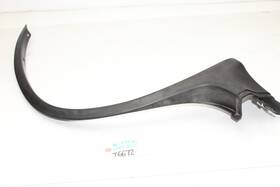
( Manufacturer Part Number: 51718408704 ), ( Type: Fender ), ( Color: Black ), ( Vintage Part: No ), ( Finish: Matte ), ( Placement On Vehicle: Front, Right ), ( Country Of Origin: Germany )
Review BMW Front Passenger Rh Fender Wheel Arch Flare Without Running Board fits E53 X5 2000–2006
The **BMW E53 X5 front passenger right-hand fender wheel flare and running board assembly (part number 6672, corresponding to T6672 and original BMW catalog number 51718408704)** is a meticulously engineered component designed to enhance both the aesthetic and functional integrity of the iconic BMW X5 (E53) from the model years 2000 through 2006. This high-quality aftermarket or OEM-replacement part is crafted to seamlessly integrate with the vehicle s distinctive front passenger side, bridging the gap between the wheel arch and the running board while maintaining the X5 s signature aggressive yet refined styling cues. The wheel flare, forged from durable, corrosion-resistant materials such as high-grade steel or reinforced plastic, is contoured to accommodate the X5 s larger off-road tires without compromising clearance or structural integrity. Its sleek, angular design complements the X5 s bold front end, ensuring a cohesive look that aligns with BMW s signature design language while providing practical protection against debris, minor impacts, and environmental elements. The integrated running board, often paired with this assembly, offers a sturdy, low-profile step-in surface that enhances accessibility while reinforcing the vehicle s rugged yet luxurious character. Whether sourced as an exact OEM replacement or a meticulously crafted aftermarket alternative, this component is essential for maintaining the X5 s original performance and visual appeal, particularly for owners seeking to restore or preserve their vehicle s factory specifications or those looking to upgrade its off-road capabilities with confidence.
### **Pros and Cons of Buying a BMW E53 X5 (2000-2006) with the Specified Parts**
#### **Overview**
The BMW E53 X5 (2000-2006) is a classic luxury SUV known for its performance, comfort, and strong aftermarket support. The specified parts **front passenger RH fender, wheel flare, and running board (T6672)** are common modifications for improving aesthetics and functionality. Below is a detailed breakdown of the pros and cons of purchasing this vehicle in its current condition, followed by a conclusion and recommendation.
---
### **Pros**
1. **Strong Performance and Driving Dynamics**
- The E53 X5 is powered by BMW s M54 or M57 inline-six engines, delivering strong acceleration (especially in the M54 3.0L or M57 4.4L variants) and responsive handling.
- Available in both naturally aspirated and turbocharged configurations, offering a balance of power and efficiency for its time.
- The M5 variant (if available) is a highly sought-after performance model with a 4.4L twin-turbo engine producing **400 horsepower**, making it one of the fastest SUVs of its era.
2. **Luxury and Comfort**
- BMW s signature interior features high-quality materials, power-adjustable seats, and a premium sound system (especially in higher trims).
- Spacious cabin with ample legroom and cargo capacity, making it practical for daily use or road trips.
- Comfortable suspension tuning (standard or available as an option) ensures a smooth ride, though some models may benefit from aftermarket upgrades.
3. **Aftermarket Support and Modification Potential**
- The E53 has a **thriving aftermarket**, with widespread availability of parts, tuning options, and performance upgrades.
- Common modifications include:- **Engine upgrades** (e.g., forced induction, camshaft swaps, or turbocharger kits for the M54).
- **Suspension tuning** (lowering springs, coilovers, or poly bushings for improved handling).
- **Exhaust and intake upgrades** for better performance and sound.
- **Aesthetic enhancements** (e.g., custom wheels, body kits, or paintwork).
- The specified **fender flare, wheel arch, and running board** are popular modifications that improve the vehicle s appearance and functionality, especially for off-road or aggressive styling.
4. **Reliability (With Proper Maintenance)**
- The E53 is generally **durable** if maintained regularly, particularly with:- **Timely oil changes** (BMW engines are sensitive to oil quality and intervals).
- **Transmission care** (automatic transmissions, especially the ZF 5HP19/21, can last long with proper fluid changes).
- **Suspension and bushings** (worn bushings can lead to handling issues; replacing them early is advisable).
- Many E53s with **under 100,000 miles** retain most of their original components and can be reliable with basic upkeep.
5. **Resale Value and Collectibility**
- The E53 holds its value well, especially **M5 and higher-trim models**, due to its cult following and limited production numbers.
- As a **classic luxury SUV**, it appeals to enthusiasts, collectors, and those seeking a unique driving experience.
- The **2006 facelift models** (with updated grilles, taillights, and minor interior changes) are often preferred for their refined look.
6. **Off-Road and Adventure Capabilities**
- The E53 was designed with adventure in mind, featuring:- **All-wheel drive (xDrive in later models)** for improved traction.
- **High ground clearance** compared to modern SUVs.
- **Available off-road packages** (e.g., M5 s optional off-road tuning).
- The **running board and wheel flare** modifications can enhance off-road protection and aesthetics.
7. **Driving Enjoyment and Legacy**
- The E53 is often praised for its **fun-to-drive nature**, with precise steering, engaging transmission shifts (especially in manual models), and a balanced chassis.
- Owning a classic BMW like this allows for a **unique driving experience** that modern SUVs often lack.
- The **M5 variant** is particularly sought after for its **track-ready performance**, making it a favorite among enthusiasts.
---
### **Cons**
1. **Higher Maintenance Costs**
- BMWs, especially older models, require **more frequent and expensive maintenance** than mass-market SUVs.
- **Engine components** (e.g., valve springs, lifters, or timing chain tensioners) may need replacement as mileage increases.
- **Transmission fluid changes** are critical (every 30,000 50,000 miles) to prevent failure.
- **Suspension and bushings** wear out over time and can become costly to replace.
- **Labor costs** for BMWs are typically higher than for domestic or Asian brands.
2. **Potential for Neglect or Poor Maintenance History**
- Many E53s on the market have **unknown or neglected maintenance records**, leading to:- **Worn-out suspension** (bushings, shocks, or control arms).
- **Leaking seals** (oil, coolant, or power steering).
- **Transmission issues** (slipping gears, rough shifts, or fluid degradation).
- Always **inspect service records** or perform a **pre-purchase inspection (PPI)** to avoid hidden problems.
3. **Common Issues to Watch For**
- **Engine:**- **M54 3.0L:** Known for **valve spring failure** (common around 100,000 miles), which can cause misfires or engine damage if ignored.
- **M57 4.4L:** More reliable but can suffer from **turbocharger or oil pump failures** if not maintained.
- **Oil leaks** from valve cover gaskets or oil filter housings.
- **Transmission:**- **Automatic transmissions (ZF 5HP19/21)** can develop **slippage or rough shifting** if fluid isn t changed regularly.
- **Manual transmissions** may require **synchro replacement** over time.
- **Suspension:**- **Poly bushings** (in control arms, sway bars, or subframes) wear out and can cause clunks or handling issues.
- **Shocks/struts** often need replacement after 80,000 100,000 miles.
- **Electrical System:**- **Faulty sensors** (e.g., MAF, crankshaft position) can cause check engine lights.
- **Window regulators** and **door locks** may fail over time.
- **Rust:**- Some E53s, especially in snowy or coastal climates, develop **rust in wheel wells, rocker panels, or undercarriage**.
4. **Parts and Repair Challenges**
- **OEM parts** can be expensive, and some components (e.g., specific suspension parts) may require **aftermarket or rebuilt units**.
- **Finding a qualified BMW mechanic** can be difficult in some areas, leading to higher repair costs.
- **Custom modifications** (e.g., the specified fender flare and running board) may require **additional welding or fabrication**, adding to costs.
5. **Fuel Economy and Modern Standards**
- The E53 s **fuel economy is poor by today s standards**, especially the M5 variant (around **12 15 MPG combined**).
- **Modern emissions and safety regulations** mean that modifications (e.g., exhaust or engine tuning) may require **additional compliance work** (e.g., smog checks in some states).
- **Insurance costs** can be higher due to the vehicle s value and performance capabilities.
6. **Driving Experience Limitations**
- While the E53 handles well, it is **not as refined as modern SUVs** in terms of:- **Noise insulation** (wind, road, and engine noise are more noticeable).
- **Modern safety features** (lack of stability control, advanced airbags, or electronic braking assistance).
- **Comfort at high speeds** (some models have a firmer ride than today s luxury SUVs).
- **Manual models** (if available) require more engagement from the driver, which may not appeal to everyone.
7. **Modification Risks**
- The **fender flare, wheel arch, and running board** modifications, while common, can introduce:- **Alignment issues** if not properly fitted.
- **Potential for paint or bodywork damage** if welding is not done correctly.
- **Weight distribution changes** that may affect handling.
- **Aftermarket parts quality varies**, so sourcing reputable suppliers is crucial.
8. **Depreciation and Long-Term Costs**
- While the E53 holds value, **ongoing maintenance and potential repairs** can add up over time.
- If the vehicle is **not driven regularly**, components like the **transmission or engine** may degrade faster due to lack of use.
- **Storage conditions** (e.g., exposure
Details:
This wheel arch molding is in used condition.
part #: 51718408704 prices
- $40.50-$143.63
specifications cartrimmouldings:
- for models: E53, X5
- for makes: Bmw
- for years: 2000-2006
- mpn: 51718408704
- type: Fender
- color: Black
- vintage part: No
- finish: Matte
- placement on vehicle: Front, Right
- country of origin: Germany
shipping cartrimmouldings:
- type: Fixed
- cost: $15.00
- transit: 5-9 Days
- class: Standard
- service: Standard
general cartrimmouldings:
- condition: Used
- Car Truck Parts Accessories > Exterior Parts Accessories > Body Moldings Trims
offer cartrimmouldings:
- quantity: 1
- options: Ship-to-home
- availability: In Stock
- sold: 0
- started: May 21, 2026
seller cartrimmouldings:
- city: Sacramento, California
- rating: 98.7%
- # reviews: 4402
payments cartrimmouldings:
- wallet: Google-pay
- credit card: Diners-club
- other
returns cartrimmouldings:
- policy: No Returns
Bmw 51718408704 Is Similar To:
- Bmw 7258328 2018 X3 G01 Left Front Door Window Guide Weather Strip Rubber Black Upper (35.9% similar) Parts are in good used condition with no damage except normal wear unless stated otherwise. Though most of the cars are not damaged, it should be expected that all parts will have wear and tear from normal use. Aftermarket items should not be expected to have perfect fitment as oem would and likely ...(November 9th, 2023)
- Bmw 51177294372 X5 F15 Rear Right Side Quarter Wheel Arch Flare Molding Oem 2014 2018 (53.8% similar) Donor vehicle: 2015 bmw x5 F15 35I drive 3 .0L automatic transmission. Mileage: 129K miles. Products sold in quantities will show a single image representing the others equal or greater condition. Color: white 300-ALPINE white exterior / black Lucas interior...(November 10th, 2023)
- Jiangzhic-76 A-02etw1101abk Front Windshield Upper Moulding Seal Fit For Bmw E90 3-series 325i 330i 328i New (22.2% similar) Front windshield upper moulding seal for bmw E90 3-SERIES 325I 330I 328I new product introduction: title: seal, application: 2006 325I, 325XI, 2007 -2011 sedan, 2007 -2012 wagon, 2009 -2011 drive 2009 -2012 2007 - 2008 328XI 335D, 335I 335XI 2008 -2011 m3 sedan color: black: super light ...(November 23rd, 2023)
- Bmw 64319353042 12-18 F30 3 4 Series Front Right Windshield Cowl Cover Molding Trim Oem (28% similar) Item comes as seen in the pictures. Donor vehicle: this came off of a 2017 bmw 440XI gran coupe. Vehicle had 84K miles. Int color code: sensed vent beige. 17 F36 440XI G189431. Ext color code: imperial blue brilliant metallic...(December 7th, 2023)
- Bmw 51716987601 09-15 750li F02 Front Right Side Windshield Cowl Panel Corner Cover Oem (38.7% similar) Please match part number to ensure fitment. All electronic items are tested before being listed. This part may fit one or all of the described vehicles. All of the parts are tested either before or after removal from vehicle. As a result of it being used part, the item may show light scuffs, ...(December 22nd, 2023)
- Bmw 8070538 Oem 2018-2023 X3m X3 F97 F98 Front Right Fender Air Duct Breather Cover (40.7% similar) Oem 2018 -2023 bmw X3M x3 F97 F98 front right fender air duct breather cover. God bless America. There is an $89.00 lift gate fee...(January 12th, 2024)
- Bmw 51778064819 2018-2023 X3 G01 X4 G02 Wheel Arch Flare Fender Molding Front Left Driver (44.7% similar) Be free to contact with us. Shipping will vary depending on the part that is being purchased. If there is ever an issue with a defect or return, please first before contacting...(January 24th, 2024)
- Bmw 6162 7118206 2006-2012 325xi 335i Right Passenger Rh Rear Door Sill Sedan (42% similar) All electronics are tested before removed from vehicle. All the parts are tested either before or after removal from vehicle. Item may show light scuffs, scratches or other imperfections as a result of this being used part. Shipping prices for ground apply only to the continental USA...(January 25th, 2024)
- Bmw 7216977 2011-2016 F10 F12 Front Left Windshield Cowl Vent Trim Panel Cover Oem (33.1% similar) Instagram: oem.auto parts oem front left windshield cowl vent trim panel cover off from 2014 bmw F10 550XI. Some electronics items may need to be reprogrammed function, an electronic item not function without the proper programming. All of the parts were taken off donor cars with great care...(January 28th, 2024)
- Bmw 189.bm1z00 2000 Z3 M Roadster E36 7 Rocker Panel Moulding Side Skirt Right Passenger (26.7% similar) No expedited shipping is available. N new part manufactured from scratch. Parts are sold strictly as replacement parts only...(February 14th, 2024)
- Bmw 6958250 05 06 07 08 09 10 11 12 13 335i E92 Coupe Rear Right Passenger Door Trim Oem (34.2% similar) This used item comes with a 30 day warranty parts only - no labor...(May 5th, 2024)
