FORD 58280B62-A Transit Panel Vent 150 7G91-A280B62-A
fits model: 250, 350. make: Ford. year: 2015–2025.
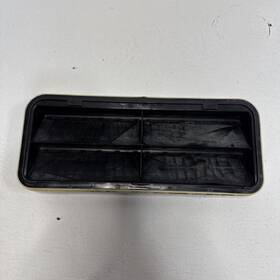
( Manufacturer Part Number: 58280B62-A ), ( Type: Quarter Panel ), ( Oe/oem Part Number: 7g91-a280b62-a 7g91a280b62a ), ( Color: Black ), ( Features: Easy Installation ), ( Finish: Matte ), ( Placement On Vehicle: Left, Rear, Right )
Review FORD Transit Side Panel Vent Oem fits 250 350 2015–2025
The **Ford 58280B62-A (2015 2025 Transit 150/250/350 Panel Vent, Part # 7G91-A280B62-A)** is a high-performance, factory-original roof vent designed to enhance airflow, ventilation, and cooling efficiency in Ford Transit commercial vans and cargo models spanning the 2015 through 2025 model years. This vent is engineered to seamlessly integrate into the Transit 150, 250, and 350 panel van configurations, providing a durable and functional solution for drivers, mechanics, and fleet operators who prioritize comfort, safety, and operational efficiency. Crafted from robust, corrosion-resistant materials, this vent features a sleek, aerodynamic design that minimizes wind resistance while maximizing airflow, ensuring optimal temperature regulation inside the cabin or cargo area. The vent operates via a manual or electric actuator (depending on the vehicle s configuration), allowing for precise control over ventilation whether for cooling during hot climates, reducing heat buildup in enclosed spaces, or improving air circulation in delivery or service vans. Its precise fitment ensures a tight seal, preventing leaks and maintaining the vehicle s structural integrity, while the durable construction guarantees longevity even in demanding commercial environments. Whether installed in a delivery truck, a mobile workshop, or a passenger van, this vent is a reliable upgrade for those seeking to optimize their Transit s performance and passenger comfort without compromising on quality or ease of installation.
### **Pros and Cons of Buying a 2015 2025 Ford Transit 150/250/350 (Panel Van, 7G91-A280B62-A Engine)**
#### **Pros**
1. **Reliability and Durability**
- The Ford Transit is known for its robust construction, making it suitable for commercial, delivery, or personal use over long distances.
- The 7.3L Power Stroke diesel (7G91-A280B62-A) is a heavy-duty engine designed for high torque and longevity, especially when properly maintained.
- Strong frame and suspension allow for heavy payloads and towing capacity.
2. **Spacious Interior and Versatility**
- The Transit offers generous cargo space, with multiple configurations (panel van, cargo, crew, etc.), making it adaptable for different needs.
- High roof options provide additional headroom for standing or storing taller items.
- Easy access to the cargo area via sliding or side doors, depending on the model.
3. **Fuel Efficiency (Compared to Gas Models)**
- The diesel engine provides better fuel economy than gasoline alternatives, especially for long-haul or mixed-use driving.
- Lower operating costs per mile compared to gasoline-powered vehicles.
4. **Resale Value**
- Ford Transits hold their value relatively well, particularly in the commercial market, making them a practical long-term investment.
5. **Available Technology and Comfort**
- Modern models (2020 ) come with advanced features like SYNC 3 infotainment, backup cameras, and available safety tech (e.g., blind-spot monitoring).
- Climate control, power-adjustable seats, and ergonomic controls improve driver comfort on long trips.
6. **Strong Aftermarket Support**
- The Transit has a large following, meaning parts, modifications, and accessories are widely available.
- Easy access to service manuals, forums, and professional mechanics familiar with the model.
7. **Towing and Payload Capacity**
- The 350 model, in particular, offers high towing ratings (up to 10,000 lbs with proper equipment), making it ideal for hauling trailers or equipment.
- Payload capacities range from 3,500 5,000 lbs, depending on the model and configuration.
8. **Low-Cost Maintenance (If Well-Maintained)**
- Diesel engines, when properly serviced, can last well over 300,000 miles with minimal major repairs.
- Basic maintenance (oil changes, fuel filters, cooling system checks) is relatively straightforward and affordable.
---
#### **Cons**
1. **Higher Upfront Cost**
- New or certified pre-owned Transits, especially diesel models, are more expensive than gasoline alternatives.
- Used models may still carry a premium due to demand in the commercial market.
2. **Diesel-Specific Maintenance Requirements**
- The 7.3L Power Stroke requires more frequent and specialized maintenance than gasoline engines, including:- **Fuel system cleaning** (every 10,000 15,000 miles to prevent injector fouling).
- **Cooling system flushes** (every 50,000 100,000 miles to prevent scale buildup).
- **Turbocharger and EGR system checks** (common failure points in older diesels).
- Ignoring these can lead to costly repairs (e.g., fuel injectors, turbocharger failure).
3. **Fuel and Emissions Compliance**
- Older models (pre-2017) may not meet current emissions standards in some regions, requiring aftermarket modifications (e.g., DEF systems for newer diesels).
- Diesel fuel quality varies by region; some areas have higher sulfur content, which can accelerate engine wear.
4. **Rough Ride Quality**
- The Transit is built for utility, not comfort. Road noise, suspension stiffness, and body vibrations can make long highway trips less pleasant than in a passenger van or SUV.
- Older models (pre-2018) may have firmer ride settings compared to newer iterations with improved suspension tuning.
5. **Limited Passenger Space**
- The panel van configuration sacrifices passenger comfort for cargo capacity. Seating is basic (bench or bucket seats), and rear legroom is tight.
- Not ideal for frequent passenger transport unless converted into a crew or passenger van.
6. **Resale Depreciation (For Older Models)**
- While the Transit retains value better than many trucks, a 2015 2017 model may depreciate faster than newer ones due to emissions regulations and technology gaps.
- Diesel engines in older models may deter buyers concerned about long-term reliability risks.
7. **Potential for Common Issues**
- **7.3L Power Stroke (7G91-A280B62-A) Known Problems:**- **EGR cooler failures** (common in 2015 2017 models, leading to coolant leaks and overheating).
- **Turbocharger wear** (especially if the vehicle is driven hard or maintained poorly).
- **Fuel injectors** (can clog over time, reducing performance and increasing emissions).
- **Transmission issues** (some owners report rough shifting or delayed engagement in automatic models).
- **Electrical gremlins** (older models may have intermittent wiring or sensor issues).
- **Rust** (if the vehicle was exposed to salt or poor storage conditions).
8. **Insurance and Registration Costs**
- Commercial-use Transits may incur higher insurance premiums due to their utility and higher value.
- Some states charge additional fees for diesel vehicles or high-capacity trucks.
9. **Limited Off-Road Capability**
- The Transit is not designed for off-road use. Tires are narrow, ground clearance is low, and suspension tuning prioritizes on-road comfort and load capacity.
10. **Noise and Vibration**
- The diesel engine and exhaust are loud, especially at highway speeds.
- Body vibrations can be noticeable at higher speeds, particularly in older models.
---
### **Conclusion**
The **2015 2025 Ford Transit 150/250/350 (Panel Van, 7G91-A280B62-A)** is a **practical, durable workhorse** ideal for commercial use, delivery services, or those needing heavy-duty cargo capacity. Its **reliability, fuel efficiency, and versatility** make it a strong choice for businesses or individuals prioritizing utility over luxury. However, **potential maintenance headaches, higher upfront costs, and a less comfortable ride** mean it s not the best fit for casual drivers or those seeking a passenger-friendly vehicle.
**Newer models (2020 2025) improve on older issues** with better emissions compliance, refined engines, and updated tech, but they still require diligent maintenance. **Older models (2015 2017) may offer better value but carry higher risk of EGR, turbo, or injector problems** if not well-maintained.
### **Recommendation**
- **Buy if:**- You need a **commercial or heavy-duty cargo vehicle** for work (e.g., deliveries, trades, moving).
- You re prepared for **regular diesel maintenance** (fuel system cleaning, cooling system checks, turbo inspections).
- You prioritize **durability and payload capacity** over passenger comfort.
- You can afford a **higher upfront cost** or are buying a **well-documented used model** with service records.
- **Avoid if:**- You re looking for a **comfortable, passenger-friendly vehicle** (consider a passenger van or SUV instead).
- You **can t commit to proper maintenance** (diesel engines fail prematurely without care).
- You re in a **region with poor diesel fuel quality** or strict emissions laws.
- You need **off-road or rugged capability** (a different truck or SUV would be better).
**Best Approach:**- **For new buyers:** Consider a **2020 model** for better reliability and emissions compliance.
- **For used buyers:** Look for a **2018 2019 model** with **full service history**, focusing on EGR, turbo, and fuel system health. Avoid high-mileage 2015 2017 models without proof of maintenance.
- **Budget wisely:** Factor in **fuel, insurance, and maintenance costs** a Transit is an investment, not just a purchase.
If you re certain about the use case and willing to maintain it properly, the **Ford Transit is an excellent choice**. Otherwise, weigh the trade-offs carefully.
Details:
This side panel vent is a genuine OEM part for Ford Transit 150, 250, and 350 model's from 2015 to 2025. The manufacturer part numbers are 7G91-A280B62-A and 7G9Z 58280B62-A. This quarter panel is perfect for those looking a high-quality replacement part that both durable and reliable. The vent is made by Ford and suitable for placement on the rear, left, or right side of vehicle.
part #: 58280b62 prices
- $26.25-$43.14
specifications cartrimmouldings:
- for models: 250, 350
- for makes: Ford
- for years: 2015-2025
- mpn: 58280b62-a
- type: Quarter Panel
- oe/oem part number: 7g91-a280b62-a 7g91a280b62a
- color: Black
- features: Easy Installation
- finish: Matte
- placement on vehicle: Left, Rear, Right
returns cartrimmouldings:
- policy: No Returns
payments cartrimmouldings:
- other
- credit card: Discover
- wallet: Google-pay
shipping cartrimmouldings:
- carrier: USPS
- type: Calculated
- transit: 5-11 Days
- class: Standard
- cost: $0.00
- service: USPS Ground Advantage
offer cartrimmouldings:
- sold: 0
- options: Ship-to-home
- quantity: 1
- availability: In Stock
- best offers: True
- started: February 20, 2026
seller cartrimmouldings:
- rating: 99.8%
- city: West Sacramento, California
- # reviews: 1301
general cartrimmouldings:
- Car Truck Parts Accessories > Exterior Parts Accessories > Body Moldings Trims
- condition: Used
Ford 58280B62 Is Similar To:
- Daniel Carpenter Reproductions 1987-93 10pc 1987-1993 Ford Mustang Lx Complete Body Side Moldings Mouldings 10 Piece Kit (21% similar) 1987 -1993 ford mustang LX complete body side moldings mouldings 10 piece kit. Brand new, 10 piece body molding kit, fits 1987 -1993 mustang LX, paint to match, high quality reproductions - exactly like original, includes self-adhesive tape for easy install. Peel and stick just like originals...(October 4th, 2023)
- Ford 87 88 89 90 91 92 93 94 95 96 F150 Tailgate Tail Gate Trim Panel Mounting Brackets Screws Set Of 3 87-96 (34.9% similar) Set of three tailgate trim mounting brackets with screws. We prepare and ship items quickly after they are purchased. In good used condition...(October 8th, 2023)
- Karparts360 Klx-ksi-219017gq-cl360a51 For Ford Police Interceptor Utility 2020-2022 Wheel Arch Trim Driver Side Capa (25.5% similar) For ford police interceptor utility 2020 2021 2022 wheel arch trim driver side rear Capra certified pp plastic black on door replacement FO1790124, FO1790124C LB5Z7829165AA: item condition: brand new in original box, oem part #:LB5Z7829165AA, part slink #:FO1790124. All products ship in ...(October 16th, 2023)
- Goldenlion Yc3z-2551728-ptm Black Left Right Side Roof Molding For 1999-2007 Ford F250 F350 F450 Super Duty (25.7% similar) 2 x roof molding. Oe/oem part no. Fit position. YC3Z-2551728-PTM,YC3Z-2551729-PTM. Manufacturer parts no. Manufacturer warranty. This will save time to process and get you money back. Black left right side roof molding for 1999 -2007 ford F250 F350 F450 super duty specifications...(October 19th, 2023)
- Ford Racing Performance Frpp M-1447-brmb 2021-2024 Bronco Raptor Oem Rear Tailgate Emblem Matte Black (29.8% similar) Brand new, ford performance part # M-1447-BRMB, for any 2021 -2024 bronco, original equipment on the 2022 -2024 bronco raptor, flat adhesive backing, can easily be installed interior or exterior flat surface, looks great wherever you choose to put it!, measures 5 x 4, matte black finish, easy peel...(October 24th, 2023)
- Ford Lj6z-8213-g New Oem 2020-2023 Escape Awd Chrome Liftgate Badge Decal (27.5% similar) ...(October 27th, 2023)
- Ford Fl3z-16278d12-ab Genuine Rear Right Body C-pillar Trim Panel Fl3z16278d12ab (32.5% similar) 2020 ford F-150 king ranch, lariat, limited, platinum, police responded, raptor, SS, XL, XLT 2.7L v6 - gas, 3.0L diesel, 3.3L flex, 3.5L 5.0L v8 flex. Included exactly what is pictured...(October 31st, 2023)
- Auxito Ck4z61405a26a Front Door Trim Pillar Molding Upper Lower For 15-19 Ford Transit 150 250 350 (27% similar) Material:abs. Features: superior material. Simple installation easy with direct replacement,other modifications are not required. Front door trim pillar molding upper lower for 15-19 ford transit 150 250 350 fits for: 2015 -2019 TRANSIT-150, TRANSIT-250, TRANSIT-350 for gas engine only. ...(November 19th, 2023)
- Ford 189.gm1w13 2011-2014 Mustang Gt Driver Lower Rocker Molding Panel Paint Ux (37.7% similar) Instagram: . Call the pf hotlink for more mustang and Camry awesome car parts. Facebook: the parts farm. This ford mustang coupe had a manual transmission with paint code ix and axle dd 3.55. Check us out on social media. 1572 Ross Bowen rd. The parts farm proudly presents this 2011 -2014 ford ...(November 20th, 2023)
- Ford Oem Kl1z-7842906-bb Genuine Interior Tailgate Trim Panel Ml1z-7842906-bd New Part Nos (28.2% similar) Numbers stamped/attached to the part itself are called engineering numbers used only by ford while a is being manufactured. Any issues with parts need to be handled through the manufacturer. Updated: 11.15.2023. You might receive a different looking box, baggie with hand-written part #, or date code...(November 25th, 2023)
- Ford 812.fd1r05 2005 Thunderbird Front Center Windshield Moulding Oem (37.1% similar) Miles means are unknown. Find us on Facebook. Facebook //. R00384665 812.FD1R05 ZK8143...(November 29th, 2023)
