GENERAL MOTORS / OLDSMOBILE 5939635 Up Light Delete Cover
fits make: Oldsmobile. year: 1950–1988.
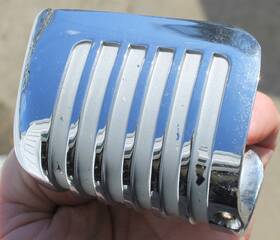
( Brand: General Motors / Oldsmobile ), ( Manufacturer Part Number: 5939635 ), ( Color: Chrome ), ( Material: Metal ), ( Vintage Part: Yes ), ( Placement On Vehicle: Left, Rear, Right ), ( Type: Back Up Light Delete Cover ), ( Attachment Type: Has 2 Cracks ), ( Features: Easy Installation ), ( Universal Fitment: No ), ( Country Of Origin: United States )
Review GENERAL MOTORS / OLDSMOBILE Oem Chrome Up Light Delete Cover Cracks fits 1950–1988
The **Oldsmobile 5939635 Up-Light Delete Cover** from the early 1950s is a meticulously crafted, high-performance component designed to enhance the functionality and aesthetics of classic Oldsmobile engines, particularly those from the 1950 and 1951 model years. This rare and sought-after part is engineered to replace the stock up-light delete cover, a critical component that houses the distributor and ignition system while also serving as a protective barrier for the engine s valve cover area. Crafted from high-quality, durable materials, this delete cover is designed to eliminate the bulky, functional up-lights that were originally installed to provide illumination for the engine bay, a feature that was often deemed unnecessary or obstructive by performance enthusiasts. The cover is precision-machined to fit seamlessly over the valve cover, offering a clean, streamlined look that complements the aggressive styling of the era s high-performance engines. Beyond its aesthetic appeal, this delete cover is built to withstand the rigors of high-revving applications, ensuring reliability and longevity under demanding conditions. Whether restoring a classic Oldsmobile to its original showroom glory or transforming it into a roaring, high-performance machine, this part is an essential upgrade for those seeking both form and function. Its unique design not only removes the visual clutter of the original up-lights but also provides a more efficient airflow and easier access to critical engine components, making maintenance and modifications simpler and more enjoyable. Perfect for collectors, restorers, and performance enthusiasts alike, this Oldsmobile 5939635 Up-Light Delete Cover is a testament to the timeless engineering of a bygone era, blending historical authenticity with modern practicality.
Buying a classic Oldsmobile from the early 1950s, specifically a model like the 1950-1951 with a "light delete cover" (likely referring to a modified or stripped-down headlight assembly), can be a rewarding but challenging endeavor. Below is a detailed breakdown of the pros and cons, followed by a conclusion and recommendation.
---
### **Pros of Buying This Vehicle**
1. **Historical and Nostalgic Value**
Early 1950s Oldsmobiles, particularly from the pre-facelift era (1950-1951), are highly sought-after by classic car enthusiasts. They represent a transitional period in automotive design, blending post-war simplicity with the early flourishes of the 1950s chrome and tailfins. Owning one allows you to connect with automotive history and enjoy the aesthetic appeal of a well-preserved example.
2. **Engineering Simplicity and Reliability**
The engines in these cars such as the straight-six or early V8s (e.g., the 212 cubic inch inline-six or the 264 cubic inch V8 introduced in 1950) are relatively straightforward compared to modern complex powertrains. With proper maintenance, these engines can last decades, especially if they ve been well-cared-for. The mechanical simplicity also makes them easier to work on for those with basic mechanical skills.
3. **Driving Experience**
Early 1950s Oldsmobiles often feature solid-axle suspensions, manual transmissions, and lightweight construction, which can provide a more engaging and responsive driving experience compared to modern cars. The lack of modern safety features (like airbags or advanced electronics) can make them feel more "authentic" and immersive for enthusiasts.
4. **Customization Potential**
These cars are popular among restorers and modifiers. The "light delete cover" suggests the owner may have already taken steps to modify the vehicle, such as removing unnecessary weight or simplifying the electrical system. This can be a starting point for further customization, such as engine swaps (e.g., installing a modern small-block Chevy or a bigger Oldsmobile V8), suspension upgrades, or body modifications.
5. **Community and Events**
Owning a classic Oldsmobile opens doors to a vibrant community of enthusiasts. You can participate in car shows, cruises, and restoration projects, which can be socially rewarding and educational. Clubs like the Oldsmobile Club of America or local meetups often organize events where you can share knowledge and find parts.
6. **Potential for Appreciation**
Well-preserved or restored early 1950s Oldsmobiles can appreciate in value, especially if they are rare, low-mileage, or have significant historical documentation. While this is not guaranteed, the classic car market has shown appreciation for well-maintained examples from this era.
7. **Affordability (Compared to Restored Models)**
While prices vary, a project car like this especially one with a "light delete cover" indicating it may have been stripped or modified can be purchased at a lower price point than a fully restored or showroom-quality example. This makes it accessible to enthusiasts on a budget who are willing to put in the work.
---
### **Cons of Buying This Vehicle**
1. **High Maintenance and Restoration Costs**
Early 1950s Oldsmobiles are not "drive-and-park" cars. Many components, such as the suspension, electrical system, and interior, are outdated and may require frequent attention. Rust is a common issue, particularly in the frame, floor pans, and body panels, which can be expensive to repair. The lack of modern safety features (e.g., seat belts, modern brakes) also adds to the maintenance burden.
2. **Parts Availability and Scarcity**
While parts for classic cars are more accessible than ever due to aftermarket suppliers and online marketplaces, some components especially for less common models or specific years can still be difficult to find. Original parts may be expensive or require sourcing from salvage yards or specialty suppliers. The "light delete cover" might indicate that some original components have already been removed, which could complicate restoration.
3. **Driving Limitations**
Modern traffic, road conditions, and safety standards were not designed with these cars in mind. Early 1950s Oldsmobiles may lack features like modern braking systems, stability control, or even reliable headlights (if the "light delete cover" has affected functionality). Driving them in heavy traffic, on highways, or in adverse weather can be challenging and potentially unsafe without modifications.
4. **Insurance and Legal Issues**
Insuring a classic car can be costly, especially if it is not fully restored or lacks modern safety equipment. Some insurance providers may classify these cars as "high-risk" or require them to be stored in a garage. Additionally, some states have laws requiring modern safety features (e.g., seat belts, functioning headlights), which may necessitate modifications to comply with regulations.
5. **Time and Skill Requirements**
Restoring or maintaining a car from this era requires time, patience, and often specialized knowledge. Tasks like bodywork, electrical repairs, and vintage engine maintenance can be labor-intensive. If you lack experience, you may need to hire professionals, which can be expensive. The "light delete cover" might suggest that some work has already been done, but it could also indicate that the car is in a state where significant effort is needed to bring it back to usability.
6. **Depreciation Risk**
Classic cars can depreciate if they are not well-maintained or if the market shifts. A project car that is never fully restored or driven may lose value over time. Conversely, a restored example can appreciate, but this is not guaranteed without effort and care.
7. **Environmental and Practical Challenges**
Early 1950s cars may not meet modern emissions standards, which could limit where you can drive them or require modifications to pass inspections. Additionally, their fuel efficiency is poor by today s standards, making them impractical for daily use unless you have a dedicated budget for fuel.
---
### **Conclusion**
Buying an early 1950s Oldsmobile with a "light delete cover" is a project that can be incredibly rewarding for the right owner. It offers a chance to own a piece of automotive history, engage with a passionate community, and enjoy the process of restoration or modification. However, it also comes with significant challenges, including high maintenance costs, parts scarcity, and the time commitment required to bring the car to a usable or show-quality condition.
The decision to purchase should be based on your goals, budget, and willingness to invest time and effort. If you are an enthusiast who enjoys hands-on projects, appreciates vintage design, and is prepared for the challenges of owning a classic car, this could be an excellent investment. If you prioritize convenience, modern safety, or practicality, this may not be the right choice.
---
### **Recommendation**
1. **Assess Your Goals:**- Are you looking for a daily driver, a project car, or a showpiece? Early 1950s Oldsmobiles are not practical daily drivers but can be enjoyable weekend or cruising cars with proper modifications.
- Do you have the skills, time, and budget to restore or maintain the car? If not, factor in the cost of hiring professionals.
2. **Thorough Inspection:** Before purchasing, have the car inspected by a mechanic experienced with vintage vehicles. Pay close attention to:- Rust in the frame, floor pans, and suspension components.
- The condition of the engine, transmission, and drivetrain.
- Electrical system functionality, especially if the "light delete cover" has affected lighting or other systems.
- Bodywork for structural integrity and paint quality.
3. **Budget for Restoration:**Set a realistic budget that includes not just the purchase price but also parts, labor, and unexpected expenses. A stripped-down project car like this could easily cost $5,000 $15,000 or more to fully restore, depending on its condition.
4. **Consider a "Starter" Project:**If this is your first classic car project, start with a simpler model or a car that is closer to completion. The "light delete cover" suggests some work has been done, but it may still require significant effort to make it roadworthy.
5. **Join the Community:**Connect with local or online classic car clubs, forums (e.g., Hemmings, Classic Car Club of America), or Facebook groups dedicated to Oldsmobile enthusiasts. These communities can provide valuable advice, parts leads, and support as you work on your car.
6. **Patience and Passion:**Restoring a classic car is a marathon, not a sprint. Enjoy the process, learn as you go, and don t rush into major modifications without research. The satisfaction of bringing a vintage car back to life is unmatched for those who love automotive history.
**Final Verdict:**If you are passionate about classic cars, have the resources to tackle the challenges, and view this as a long-term project, buying this Oldsmobile could be a fantastic investment in both a piece of history and a rewarding hobby. However, if you are looking for a hassle-free or modern vehicle, this is not the right choice. Proceed with careful planning, a realistic budget, and a willingness to embrace the journey.
Details:
One Chrome Reverse Back Up Light Delete Cover, in good used condition, BUT HAS TWO CRACKS as shown the first few photos. Please refer to all photos for condition.
part #: 5939635 prices
- $29.00-$59.95
specifications cartrimmouldings:
- for makes: Oldsmobile
- for years: 1950-1988
- brand: General Motors / Oldsmobile
- mpn: 5939635
- color: Chrome
- material: Metal
- vintage part: Yes
- placement on vehicle: Left, Rear, Right
- type: Back Up Light Delete Cover
- attachment type: Has 2 Cracks
- features: Easy Installation
- universal fitment: No
- country of origin: United States
shipping cartrimmouldings:
- carrier: USPS
- cost: $0.00
- type: Calculated
- class: Standard
- transit: 5-9 Days
- service: USPS Ground Advantage
returns cartrimmouldings:
- policy: No Returns
seller cartrimmouldings:
- # reviews: 8236
- rating: 100.0%
- city: Babylon, New York
offer cartrimmouldings:
- started: February 15, 2026
- sold: 0
- quantity: 1
- options: Ship-to-home
- availability: In Stock
payments cartrimmouldings:
- credit card: Discover
- wallet: Google-pay
- other
general cartrimmouldings:
- Car Truck Parts Accessories > Exterior Parts Accessories > Body Moldings Trims
- condition: Used
General Motors / Oldsmobile 5939635 Is Similar To:
- General Motors 25506423 1981-1988 Gbody Oldsmobile Cutlass Supreme Rear Bumper Cover Blue Oem Gm (43.4% similar) Item quality warranty. Shipping costs. Please refer to the photos for more details. This includes the licence plate pocket and bracket as pictured. Free shipping is included. All parts are sold as is, electrical items tested prior to resale. There is a small tear on one side as pictured. There is ...(February 1st, 2024)
- Oldsmobile 20459433 Used 1980s Trunk Lock Cover Emblem Flip Lid Deck Gm 20524502 (38.2% similar) It is a non-universal fitment and does not come with any manufacturer warranty. This trunk lock cover emblem flip lid deck is a perfect fit for your Oldsmobile vehicle. The mounts with rivets feature ensures that it is securely attached to the rear of your vehicle. Made of high-quality metal ...(August 3rd, 2024)
- Gmswapper 5969463 81-88 Oldsmobile Cutlass Tail Light Lens Filler Quarter Extensions G-body (36.8% similar) Gymslip offers these 81-88 Oldsmobile cutlass tail light lens filler quarter extensions g-body. Please examine images. This original set of oem tail light lens quarter panel filler extensions are for your 81-88 g-body Oldsmobile cutlass. Dirty and could use a thorough cleaning. Has had some repaints...(August 4th, 2024)
- Gmswapper 5935017 78-79 Oldsmobile Cutlass Cutty G-body Tail Light Housing Rear Pair Taillight Oem (34.4% similar) Listed shipping charges are for lower 48 only. Dirty and could use a thorough cleaning. These are original gm oem parts. Please examine images. Has had some repaints throughout its life but seems to have good structure and the threaded mounting tabs plastic are intact ready for install. The part is ...(August 6th, 2024)
- Gmswapper 5969596 78-80 Oldsmobile Cutlass Cutty G-body Rear Marker Light Lenses Pair Red (36.1% similar) These original set of oem rear marker light lenses are for your 78-80 g-body Oldsmobile cutlass. Color of body boarder is blue metallic see pics these are original gm oem parts. What you see is what get. Listed shipping charges are for lower 48 only. The part is original and ready for your g-body ...(August 16th, 2024)
- Oldsmobile 386265 1965 442 F85 Cutlass Front Hood Lip Trim Molding Chrome Stainless Oem (37.8% similar) Used 65 cutlass F85 comes as is this the hood lip trim some oxidization/pitting and scratches off of a 4 door 386265...(August 28th, 2024)
- Oer 153431-c Headlamp Retaining Ring For 1956-1957 Buick Cadillac Oldsmobile Oem (25.4% similar) Headlamp retaining ring for 1956 -1957 Buick Cadillac Oldsmobile oem...(September 15th, 2024)
- Oldsmobile 5969304 1978-1979 98 Regency Rh Tail Light Housing Bezel (43.8% similar) 1978-1979 Oldsmobile 98 regency Rh tail light housing bezel: part NUMBER:5960: genuine oem chrome passenger side rear gm #5969304 - 2 PC set as photographed please see last photo for vehicle placement verification. Notable blemishes photographed. Use magnify feature to view detail. More parts ...(September 18th, 2024)
- General Motors Corporation 381400 1963 Oldsmobile 98 Ninety-eight Lower Front Fender Trim Molding Rh (42.5% similar) Narrow version; please compare to your trim for match. I try to research everything list for accuracy, but am not all-knowing and make mistakes, as do my resources ask that you understand what it is you re looking at before buying. I have more gm parts as well other cool stuff available for your ...(October 24th, 2024)
- Oldsmobile 554874 1978 98 Regency Oem Rh Chrome Headlight Bezel 554874 (48.8% similar) Use magnify feature to view detail. Ready for install!!!, since 2003 condition: pre-owned. Please review pictures carefully. More parts available from this donor, message with requests or visit our contact page to connect by phone. 1978 Oldsmobile 98 regency oem Rh chrome headlight bezel #...(November 17th, 2024)
- Gm 20113270 Oldsmobile Toronado Trunk Lock Cover Emblem Badge Logo 231s1 (35.2% similar) Part #: gm 2011 3270 for sale...(November 22nd, 2024)
