BMW 7290355 Left Driver Roof Rack Rail Drip Molding
fits model: 320i, F30. make: Bmw. year: 2013–2016.
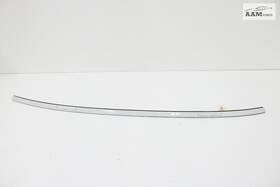
( Manufacturer Part Number: 7290355 ), ( Color: Alpine White Iii ), ( Vintage Part: No ), ( Placement On Vehicle: Left, Upper ), ( Type: Roof Drip Molding ), ( Features: Easy Installation ), ( Finish: Painted )
Review BMW Left Driver Side Roof Rack Rail Drip Molding Trim Oem fits 320I F30 2013–2016
The **BMW 320i F30 (2013 2016) Left Driver Roof Rail (Part #7290355) with Drip Molding** is a precision-engineered accessory designed to seamlessly integrate with the iconic F30 platform, enhancing both functionality and aesthetics for owners seeking a refined yet practical upgrade. Crafted from high-quality, durable materials, this roof rail is engineered to withstand the rigors of daily driving, from crosswinds and road debris to the occasional rainstorm, thanks to its integrated **drip molding** a clever yet understated feature that prevents water from pooling along the rail, reducing the risk of rust and ensuring a cleaner, more polished appearance. The rail s sleek, aerodynamic profile complements the F30 s sporty yet sophisticated lines, blending effortlessly into the vehicle s roofline without compromising its aerodynamic efficiency. Whether you re hauling luggage for a weekend getaway, transporting roof boxes, or simply adding a touch of personalization, this rail provides a sturdy, secure mounting solution that adheres to BMW s signature attention to detail. The **left-driver fitment** ensures a perfect alignment with the vehicle s geometry, avoiding any misalignment issues that could affect stability or aesthetics. Built to meet BMW s high standards, this part is compatible with the F30 s factory roof rails, offering a seamless installation process that even DIY enthusiasts can execute with minimal effort. Beyond its practical benefits, the rail adds a subtle yet noticeable upgrade to the car s overall look, appealing to those who appreciate both form and function in equal measure. Whether you re a daily commuter or an adventurer seeking extra cargo space, this roof rail is a practical yet stylish addition that elevates the 320i F30 s versatility without detracting from its premium feel.
### **Pros and Cons of Buying a 2013 2016 BMW 320i (F30) with Left-Hand Drive, Roof Rail, and Drip Molding**
#### **Pros**
1. **Strong Engine and Performance**
The 320i F30 comes with BMW s N55 inline-6 engine, producing around 258 horsepower and 258 lb-ft of torque. This engine is reliable for its class, offering a good balance of power and efficiency. The N55 is known for its durability, especially when maintained properly, and it pairs well with the F30 s lightweight construction, resulting in responsive handling.
2. **Premium Interior and Build Quality**
BMW s interior design remains one of its strongest selling points. The 320i F30 features high-quality materials, ergonomic controls, and a well-laid-out dashboard. The infotainment system (iDrive) is user-friendly, though it can be slow compared to modern standards. The seats are comfortable for both short and long drives, and the cabin feels spacious despite the car s compact size.
3. **Reliability and Common Modifications**
The F30 platform is one of BMW s most reliable models, especially when compared to earlier generations. The 320i is less prone to the turbocharger issues that plagued some N54 engines (though the N55 is still turbocharged, it is generally more robust). The presence of roof rails suggests the owner may have had practical needs (e.g., luggage, roof boxes), which can be useful for road trips or outdoor activities. Drip molding is a minor but appreciated detail that helps prevent water damage to the paint.
4. **Resale Value and Brand Prestige**
BMWs hold their value relatively well, and the F30 series is particularly sought after by enthusiasts. The 320i is a popular choice among buyers looking for a balance of performance and practicality. Owning a BMW carries prestige, which can be appealing to those who value brand reputation.
5. **Aftermarket Support and Tuning Potential**
The F30 platform has a strong aftermarket presence, with widespread availability of parts, accessories, and tuning options. The N55 engine can be easily upgraded with performance chips, cold air intakes, or exhaust systems to enhance power and throttle response. This makes the car more engaging to drive over time.
6. **Comfort and Practicality**
The F30 offers a smooth ride, thanks to its well-tuned suspension and sound insulation. The interior is well-appointed, with features like heated seats (in higher trims), a rear entertainment system, and ample storage. The 320i is also more practical than its sportier siblings (e.g., M3), with a comfortable seating position and good visibility.
7. **Fuel Efficiency**
For a car of its class, the 320i offers decent fuel economy, averaging around 20 25 MPG in the city and 30 35 MPG on the highway, depending on driving conditions. This makes it a cost-effective choice compared to larger luxury sedans.
---
#### **Cons**
1. **Maintenance Costs**
BMWs are known for their high maintenance and repair costs. The N55 engine, while reliable, requires regular servicing, including timing belt replacements (every 60,000 100,000 miles), oil changes with high-quality synthetic oil, and potential turbocharger attention. Parts and labor can be expensive, especially if the car is not maintained by a BMW dealership.
2. **Electrical and Infotainment Issues**
The iDrive system on the F30 can be glitchy, freezing, or slow to respond. Software updates are infrequent, and repairs can be costly. Electrical gremlins, such as faulty sensors or wiring issues, are also common in BMWs and can be difficult to diagnose.
3. **Rust and Bodywork Concerns**
The F30 is prone to rust, particularly in the wheel arches, rocker panels, and underbody. A thorough inspection of the car s undercarriage is essential to avoid costly repairs down the line. The presence of drip molding is a good sign, as it helps protect the paint from water damage, but it doesn t eliminate the need for rust checks.
4. **Depreciation**
While BMWs hold their value better than many competitors, they still depreciate significantly over time. A 2013 2016 320i may have lost a substantial portion of its original value, and further depreciation can be expected. This means the car may not be a great long-term investment if you plan to sell it in a few years.
5. **Driving Dynamics Limitations**
The 320i is not as engaging to drive as the M3 or higher-performance models. The suspension is tuned for comfort rather than sportiness, and the steering feels less precise compared to competitors like the Audi A4 or Mercedes C-Class. While the car is fun to drive, it lacks the sharpness and immediacy of a true sports sedan.
6. **Noise and Wind Noise**
The F30 can be noisy at highway speeds, with noticeable wind noise and road noise entering the cabin. While not as bad as earlier BMW models, it is still more noticeable than in some Japanese or German rivals.
7. **Potential Hidden Issues**
Common problems in the F30 series include:- **Transmission issues** (especially in automatic models, where the 6-speed ZF transmission can develop shifting problems over time).
- **Water pump failures** (the electric water pump can fail, leading to overheating).
- **Suspension wear** (control arms, bushings, and struts may need replacement).
- **Exhaust leaks** (common in the N55, which can lead to catalytic converter issues).
A thorough pre-purchase inspection is critical to avoid these pitfalls.
8. **Insurance Costs**
BMWs are expensive to insure, especially for younger or inexperienced drivers. The 320i may not be as costly to insure as an M3, but premiums will still be higher than for a similarly priced non-luxury car.
---
### **Ending Conclusion**
The 2013 2016 BMW 320i F30 is a well-rounded luxury compact sedan that offers a blend of performance, comfort, and premium features. It is a practical choice for those who value BMW s driving dynamics, interior quality, and aftermarket support. However, it comes with significant drawbacks, particularly high maintenance costs, potential reliability issues, and depreciation. The presence of roof rails and drip molding suggests the car has been well-used and cared for, but these features alone do not guarantee long-term reliability.
**This car is best suited for:**- Buyers who prioritize brand prestige, driving enjoyment, and a comfortable ride.
- Those who are prepared for higher maintenance costs and can afford to invest in upkeep.
- Enthusiasts who enjoy tuning and modifying their vehicles.
- Individuals who need a reliable daily driver with good fuel efficiency and practicality.
**This car may not be ideal for:**- Budget-conscious buyers who cannot afford unexpected repairs.
- Those seeking a long-term investment (due to depreciation).
- Drivers who prioritize extreme reliability over luxury features.
- People who dislike dealing with complex electrical systems or infotainment glitches.
---
### **Recommendation**
If you are considering purchasing this BMW 320i F30, follow these steps to minimize risks:1. **Get a Pre-Purchase Inspection (PPI):** Hire a trusted mechanic or BMW specialist to thoroughly inspect the car, focusing on the engine, transmission, suspension, and electrical systems. Pay special attention to rust, fluid leaks, and unusual noises.
2. **Review Maintenance Records:** Ensure the car has been regularly serviced, with oil changes, timing belt replacements, and other critical maintenance completed on schedule.
3. **Test Drive Extensively:** Pay attention to how the car accelerates, brakes, handles, and whether there are any unusual vibrations or noises. Test the infotainment system and electrical components.
4. **Negotiate Price Based on Condition:** Use the PPI report to negotiate a fair price. Be wary of "too good to be true" deals, as they may indicate hidden problems.
5. **Budget for Future Costs:** Set aside funds for potential repairs, especially if the car has high mileage or lacks a complete service history.
6. **Consider Alternative Options:** If maintenance costs or reliability concerns are a major issue, explore other reliable luxury sedans (e.g., Audi A4, Lexus GS, or Toyota Camry) that may offer better long-term value.
**Final Verdict:** The 2013 2016 BMW 320i F30 is a solid choice for the right buyer one who appreciates BMW s driving dynamics, is willing to invest in maintenance, and seeks a balance of performance and luxury. However, it is not a "set-and-forget" car and requires attentive ownership. If you are confident in your ability to manage its needs, it can be an enjoyable and capable vehicle. If not, consider alternatives that may offer better reliability or lower ownership costs.
Details:
TRANSMISSION: 8 SPEED AUTOMATIC TRANSMISSION ZF-8HP. BODY TYPE: BASE SEDAN 4-DOOR. DONOR VEHICLE: 2014 BMW 320I XDRIVE F30. MILEAGE: 97K MILEAGE.
part #: 7290355 prices
- $94.99-$186.33
specifications cartrimmouldings:
- for models: 320i, F30
- for makes: Bmw
- for years: 2013-2016
- mpn: 7290355
- color: Alpine White Iii
- vintage part: No
- placement on vehicle: Left, Upper
- type: Roof Drip Molding
- features: Easy Installation
- finish: Painted
seller cartrimmouldings:
- # reviews: 44903
- rating: 99.9%
- city: Grawn, Michigan
payments cartrimmouldings:
- credit card: Visa
- wallet: Paypal
- other
general cartrimmouldings:
- condition: Used
- Car Truck Parts Accessories > Exterior Parts Accessories > Body Moldings Trims
shipping cartrimmouldings:
- service: Economy
- transit: 4-7 Days
- cost: $50.00
- type: Fixed
- class: Economy
offer cartrimmouldings:
- sold: 0
- availability: In Stock
- quantity: 1
- started: February 20, 2026
- best offers: True
- options: Ship-to-home
returns cartrimmouldings:
- policy: Returns Accepted
- paid by: Seller
- time: 30 Days
Bmw 7290355 Is Similar To:
- Bmw Oem 51377248146 11-16 X3-molding Trim Right (36.6% similar) ...(October 21st, 2023)
- Bmw 7258328 2018 X3 G01 Left Front Door Window Guide Weather Strip Rubber Black Upper (40.2% similar) Parts are in good used condition with no damage except normal wear unless stated otherwise. Though most of the cars are not damaged, it should be expected that all parts will have wear and tear from normal use. Aftermarket items should not be expected to have perfect fitment as oem would and likely ...(November 9th, 2023)
- Bmw 51177294372 X5 F15 Rear Right Side Quarter Wheel Arch Flare Molding Oem 2014 2018 (44.4% similar) Donor vehicle: 2015 bmw x5 F15 35I drive 3 .0L automatic transmission. Mileage: 129K miles. Products sold in quantities will show a single image representing the others equal or greater condition. Color: white 300-ALPINE white exterior / black Lucas interior...(November 10th, 2023)
- Bmw 64319353042 12-18 F30 3 4 Series Front Right Windshield Cowl Cover Molding Trim Oem (44.4% similar) Item comes as seen in the pictures. Donor vehicle: this came off of a 2017 bmw 440XI gran coupe. Vehicle had 84K miles. Int color code: sensed vent beige. 17 F36 440XI G189431. Ext color code: imperial blue brilliant metallic...(December 7th, 2023)
- Bmw 51716987601 09-15 750li F02 Front Right Side Windshield Cowl Panel Corner Cover Oem (35.1% similar) Please match part number to ensure fitment. All electronic items are tested before being listed. This part may fit one or all of the described vehicles. All of the parts are tested either before or after removal from vehicle. As a result of it being used part, the item may show light scuffs, ...(December 22nd, 2023)
- Bmw 51357263379 2012-2016 328i F30 Rear Driver Side Door B Pillar Molding Trim Black Oem (72.1% similar) Part #: bmw 51357263379 for sale...(January 10th, 2024)
- Bmw 8070538 Oem 2018-2023 X3m X3 F97 F98 Front Right Fender Air Duct Breather Cover (13.2% similar) Oem 2018 -2023 bmw X3M x3 F97 F98 front right fender air duct breather cover. God bless America. There is an $89.00 lift gate fee...(January 12th, 2024)
- Bmw 51778064819 2018-2023 X3 G01 X4 G02 Wheel Arch Flare Fender Molding Front Left Driver (32.4% similar) Be free to contact with us. Shipping will vary depending on the part that is being purchased. If there is ever an issue with a defect or return, please first before contacting...(January 24th, 2024)
- Bmw 7216977 2011-2016 F10 F12 Front Left Windshield Cowl Vent Trim Panel Cover Oem (44.6% similar) Instagram: oem.auto parts oem front left windshield cowl vent trim panel cover off from 2014 bmw F10 550XI. Some electronics items may need to be reprogrammed function, an electronic item not function without the proper programming. All of the parts were taken off donor cars with great care...(January 28th, 2024)
- Bmw 189.bm1z00 2000 Z3 M Roadster E36 7 Rocker Panel Moulding Side Skirt Right Passenger (37.2% similar) No expedited shipping is available. N new part manufactured from scratch. Parts are sold strictly as replacement parts only...(February 14th, 2024)
- Bmw 51131917997 1982-1988 E28 5-series Rear Side Air Vent Cover Sail Trim Pair Black Oem (43% similar) See the photo below for illustration. 1982 - 1988 bmw E28 5-SERIES rear side air vent cover sail trim pair black oem: stock #: 44071. The right side panel has a bend along its edge. Still not sure this part will fit your car. Which side does this part fit?, left driver side, right passenger. These...(April 19th, 2024)
