ACURA 74200-ST7-A01 Windshield Cowl
fits model: Integra. make: Acura. year: 1994–2001.
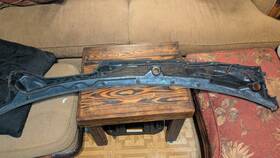
( Manufacturer Part Number: 74200-ST7-A01 ), ( Type: Cowl ), ( Color: Black ), ( Universal Fitment: No ), ( Finish: Matte ), ( Placement On Vehicle: Front )
Review ACURA Windshield Cowl Trim fits INTEGRA 1994–2001
The **Acura 74200-ST7-A01 (1994 2001 Integra Windshield Cowl Cover)** is a meticulously crafted, high-performance aftermarket component designed to enhance both the aerodynamics and cooling efficiency of the iconic Honda/Acura Integra Type R (DC5) and its non-Type R counterparts. This cowl cover, manufactured by **74200**, is engineered to replace the stock rubber or plastic windshield cowl, offering a sleek, aggressive, and functional upgrade that reduces drag while improving airflow to the engine bay. Constructed from **high-grade, lightweight polycarbonate material**, the cowl cover is both durable and resistant to warping, ensuring long-term reliability even under extreme driving conditions. Its precise fitment is achieved through a **custom-molded design** that seamlessly integrates with the Integra s body panels, eliminating gaps and maintaining a streamlined profile. Beyond its aerodynamic benefits, the cowl cover also helps deflect road debris and debris from the windshield, reducing the risk of damage to the cowl s interior surfaces. For enthusiasts seeking a subtle yet impactful modification, this part is available in a **clear or tinted finish**, allowing for a natural integration with the vehicle s exterior while still delivering the performance advantages. Whether installed on a daily driver or a high-performance build, the **74200-ST7-A01** is a practical and stylish choice for those looking to refine their Integra s handling, cooling, and overall aesthetic.
### Pros and Cons of Buying a 1994 2001 Acura Integra (74200-ST7-A01 Windshield Cowl)
#### **Pros:**1. **Strong Reputation for Reliability** The Acura Integra (especially the first-generation models) is known for its solid engine (the 1.8L or 2.2L Honda-derived engines) and durable transmission. Many examples last well over 200,000 miles with proper maintenance.
2. **Affordable Entry Point** Compared to other JDM or American muscle cars from the same era, Integra parts and labor are relatively inexpensive. This makes repairs and modifications more accessible.
3. **Performance Potential** The STi (Sport Technology International) models (especially the 1995 2001 versions) are highly sought after for their track-ready capabilities. The 2.2L engine (in later models) produces strong power (around 200 220 hp in tuned form), making it a great platform for modifications.
4. **Modding Community & Parts Availability** The Integra has a strong aftermarket presence, with a wide range of performance parts (turbo kits, suspension upgrades, engine swaps) and tuning options. The 2.2L engine is particularly popular for turbocharging.
5. **Driving Dynamics** The Integra is praised for its precise handling, lightweight chassis, and engaging driving experience. The STi models, in particular, offer a sporty, balanced ride that appeals to enthusiasts.
6. **Classic Status** The first-generation Integra (especially the STi) is considered a classic JDM car, gaining value over time. Well-maintained examples can appreciate in worth, especially as parts become harder to find.
7. **Fuel Efficiency** The naturally aspirated models (especially the 1.8L) are surprisingly efficient for a car of its era, making it a practical choice for daily driving.
8. **Customization Flexibility** The Integra s compact size and open chassis design make it ideal for extensive modifications, from body kits to engine swaps (e.g., R32 Skyline, Civic Si, or even V6 swaps).
---
#### **Cons:**1. **Aging Suspension & Wear Items** Many first-gen Integra models suffer from worn-out bushings, ball joints, and control arms. The suspension can feel stiff or uneven over time, requiring regular maintenance.
2. **Rust Concerns** Depending on the region and storage conditions, some Integra models (especially those from the late '90s) may have rust issues in the wheel wells, subframe, and floor pans. A thorough inspection is necessary.
3. **Electrical & Interior Wear** Older Integra interiors can develop cracks in the dash, worn seats, and failing electrical components (e.g., windows, power steering, or climate control). The STi models, in particular, had some early electrical quirks.
4. **Transmission Issues (Early Models)** The 1.8L models (pre-1996) had a reputation for weak transmissions, though this was largely addressed in later models. The 2.2L (1996 ) transmissions are more robust but can still fail if neglected.
5. **Turbocharged Models Have Risks** If buying a turbocharged STi (especially pre-2001), be wary of common turbo failures, oil leaks, and intercooler issues. The 1995 1999 STi turbos are known for their reliability, but later models (2000 ) had some refinements.
6. **Depreciation (For Some Buyers)** While classic Integra STis appreciate, stock or lightly modified examples may not hold value as well as rare or high-mileage track cars. Some buyers may see it as a short-term project car rather than a long-term investment.
7. **Parts Scarcity for Rare Models** Some very early or late-model Integra parts (especially for the 1.8L or rare STi variants) can be difficult to source, increasing repair costs.
8. **Modding Costs Can Add Up** While the aftermarket is strong, extensive modifications (e.g., full turbo builds, custom suspension, or engine swaps) can be expensive. Buyers should budget for both parts and labor.
9. **Insurance Costs** As a performance-oriented car, insurance premiums for an Integra (especially a modified STi) can be higher than average.
10. **Driving Experience Trade-offs** While the Integra is fun, it s not as comfortable as modern cars. The ride can be firm, and the cabin lacks modern amenities like backup cameras or advanced safety features.
---
### **Conclusion:**The **1994 2001 Acura Integra (especially the STi)** is a fantastic choice for enthusiasts who prioritize driving dynamics, modding potential, and a strong community. It offers a balance of reliability, performance, and classic appeal, making it ideal for daily driving or track use. However, buyers should be prepared for potential wear items, rust concerns, and the need for regular maintenance to keep it running smoothly.
If you re looking for a **project car** with high upside potential, the Integra is an excellent platform especially if you re willing to invest in modifications. For those seeking a **low-maintenance classic**, a well-documented, low-mileage example with a clean service history would be the best bet.
---
### **Recommendation:**- **Best for:** Enthusiasts who want a **driving experience**, **modding flexibility**, and a **strong aftermarket**. Ideal for those who enjoy tinkering and don t mind some upkeep.
- **Avoid if:** You prefer **luxury**, **modern comforts**, or a **set-and-forget** vehicle. Also, avoid rusted or neglected examples without a full inspection.
- **Target Models:**- **1995 1999 STi (2.2L turbo)** Best balance of power, reliability, and mod potential.
- **2000 2001 STi (2.2L turbo)** Slightly refined but still highly capable.
- **1996 2.2L NA (non-turbo)** More reliable but less power potential.
- **Key Inspection Points:**- Check for **rust** (especially wheel wells, subframe, and floor pans).
- Inspect **suspension components** (bushings, ball joints, control arms).
- Verify **transmission and clutch** health (especially in high-mileage examples).
- Test **electrical systems** (windows, power steering, climate control).
- Review **service records** for oil changes, timing belt, and turbo maintenance (if applicable).
**Final Verdict:** If you re passionate about JDM culture and willing to put in the work, the Acura Integra is a **great buy** both as a daily driver and a modding project. Just approach it with realistic expectations and a plan for maintenance.
Details:
I have a used Windshield wiper Cowl for 94-01 Integra model's, it has 1 crack which is pictured, otherwise fairly decent condition.
part #: 74200st7a01 prices
- $70.00-$105.00
specifications cartrimmouldings:
- for models: Integra
- for makes: Acura
- for years: 1994-2001
- mpn: 74200-st7-a01
- type: Cowl
- color: Black
- universal fitment: No
- finish: Matte
- placement on vehicle: Front
shipping cartrimmouldings:
- carrier: USPS
- type: Calculated
- service: USPS Ground Advantage
- cost: $23.53
- transit: 5-10 Days
- class: Standard
returns cartrimmouldings:
- policy: No Returns
seller cartrimmouldings:
- # reviews: 35
- city: Slidell, Louisiana
- rating: 100.0%
general cartrimmouldings:
- Car Truck Parts Accessories > Exterior Parts Accessories > Body Moldings Trims
- condition: Used
payments cartrimmouldings:
- credit card: Mastercard
- other
- wallet: Apple-pay
offer cartrimmouldings:
- sold: 0
- quantity: 1
- started: February 8, 2026
- availability: In Stock
- best offers: True
- options: Ship-to-home
Acura 74200-ST7-A01 Is Similar To:
- Acura 74220-sep-a000 04-08 Tl Type-s Oem Front Rh And Lh Side Wiper Windshield Trim Cover 1077 (54.1% similar) 5-SPEED shift able automatic transmission; front wheel drive fwd. About item: better to see something once than hear about it a thousand times. Mileage: 218K mi. This item came from: 2007 acura Tl type, 4-DOOR sedan...(January 31st, 2024)
- Acura 72430-tz3a-a030-m1 2015-20 Tlx Front Right Passenger Side Door Sash Molding Trim Garnish Oem (44.7% similar) Do not think that they can be reused during installation. Such components must be purchased online and are not included into the kit. In other words, they may be present anther parts but require mandatory replacement with the new ones. Products sold in quantities will show a single image ...(April 17th, 2024)
- Acura 84441-t4n 2023-2024 Integra Rear Pull Handle Set X2 Oem (45.2% similar) Parts came off a 2023 acura integra a-spec. Paint color code: NH983PX - majestic black pearl...(August 12th, 2024)
- Acura 74115 Tlx 2015-2020 Front Air Guide Plate Cover Splash Guard Trim Panel Oem (43% similar) Do not think that they can be reused during installation. Acura TLC 2015 -2020 front air guide plate cover splash guard trim panel oem. They are of one-time use and very often get damaged when the part is removed. In other words, they may be present anther parts but require mandatory replacement ...(August 16th, 2024)
- Acura 83162stxa02zc 2007-2013 Mdx Left Interior Fuse Box Cover Lid Trim Plastic Black (44.6% similar) ...(August 18th, 2024)
- Honda 74360 Rear Roof Gutter Header Top Trim Panel Acura Mdx 2014-2020 Oem (23.4% similar) They are of one-time use and very often get damaged when the part is removed. Such components must be purchased online and are not included into the kit. Do not think that they can be reused during installation. In other words, they may be present anther parts but require mandatory replacement with ...(August 23rd, 2024)
- Honda 72985-tz5a-m1 Acura Mdx 18-20 Rear Left Driver Side Door Seal Arch Weatherstrip Trim Oem (25.7% similar) Such components must be purchased online and are not included into the kit. In other words, they may be present anther parts but require mandatory replacement with the new ones. Acura DX 18-20 rear left driver side door seal arch weatherstrip trim oem. They are of one-time use and very often get ...(August 25th, 2024)
- Acura 71503tz5xa000 Oem 2014 2020 Mdx Rear Bumper Lower Garnish Molding Trim 71503-tz5x-a000 (33.8% similar) Shipping cost posted is only for 48 lower states only. Good condition. Please reach out with any questions or concerns. Possible cosmetic imperfections. They are the best to use. Examine each and every picture carefully...(August 26th, 2024)
- Acura 73152-tl0 09-14 Tsx Set Left And Right Lh Rh Windshield Pillar Molding Trim Gray Oem (41.7% similar) 2010-2014 acura STX. Used in very good condition, some paint scuffs on surface. Part number: 73162-TL0 left / 73152-TL0 right...(August 28th, 2024)
- Acura 74210-sea-g00 04-05 Tsx Windshield Wiper Cowl Trim Plastic Oem Factory 255 (58.4% similar) Part #: acura 74210-SEA-G00 for sale...(September 2nd, 2024)
- Acura 74890-stx-a1 07-09 Mdx Tailgate Trunk Lid License Garnish Bar Trim Oem (47.7% similar) 2008 acura DX. Receipts are available upon request. Mileage: 169,923. There is no holding of items unless agreed upon. First come first serve...(September 5th, 2024)
