ACURA 75321-SK7-A01 Driver Left Front Body Molding Fender 160
fits model: Integra. make: Acura. year: 1990–1993.
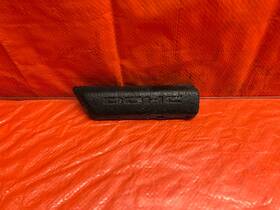
( Manufacturer Part Number: 75321-SK7-A01 ), ( Part Type: Driver Molding Fender ), ( Country Of Origin: Japan ), ( Placement On Vehicle: Front, Left )
Review ACURA Driver Left Front Body Molding Fender Trim Oem #160 fits INTEGRA 1990–1993
The **Acura 75321-SK7-A01 (1990 1993) Integra Driver Left Front Body Molding and Fender Panel** is a meticulously crafted, high-quality replacement part designed to restore the factory precision and aesthetic appeal of your 1990 through 1993 Acura Integra (SK7 model). This left-side front fender and body molding assembly is engineered to match the original specifications, ensuring a seamless fit with the vehicle s structural integrity while delivering an authentic, showroom-worthy finish. Crafted from durable, corrosion-resistant materials, this component is built to withstand the rigors of daily driving, protecting the underlying bodywork from road debris, minor impacts, and environmental wear. The molding features a sleek, integrated design that seamlessly blends with the Integra s signature aerodynamic lines, enhancing both functionality and visual appeal. Whether you re restoring a classic project car, preparing for a car show, or simply maintaining your vehicle s pristine condition, this fender and molding set provides a perfect balance of strength and style. Its precise alignment with the original dimensions guarantees minimal gaps or misalignments, allowing for a clean, professional installation that preserves the Integra s iconic silhouette. Backed by rigorous quality control, this part is an ideal choice for enthusiasts seeking reliability and authenticity in their restoration or maintenance efforts.
### Pros and Cons of buying a Acura Integra (90-93) Driver Left Front Body Molding/Fender (Part #: 75321-SK7-A01, 160)
#### **Pros:**1. **Authentic Fit and Finish** This is an original Acura (Honda) part designed specifically for the 1990-1993 Integra, ensuring a perfect fit without gaps or misalignment. Aftermarket parts can often look cheap or poorly manufactured, whereas OEM parts maintain the vehicle s original aesthetic and structural integrity.
2. **Durability** OEM parts are built to withstand the same conditions as the rest of the car s body, meaning they are likely to last longer than lower-quality aftermarket alternatives. The material is designed to resist rust, dents, and weathering over time.
3. **Resale Value** If you plan to sell or trade in your Integra later, having original or high-quality replacement parts can make the vehicle more appealing to buyers who prioritize authenticity. Some enthusiasts and collectors prefer OEM parts for restoration projects.
4. **Compatibility with Original Components** Since this is an OEM part, it will align correctly with the existing suspension, paint, and trim of your Integra. Aftermarket parts may require additional modifications (e.g., gap fillers, extra bolts) to achieve a clean look.
5. **Warranty (if applicable)** If you purchase this part from a reputable dealer or online seller (e.g., RockAuto, Jatco, or an authorized Acura/Honda parts distributor), it may come with a limited warranty, providing peace of mind against manufacturing defects.
6. **Avoids "Cheap" Aftermarket Look** Some aftermarket fender panels or moldings can look overly thick, poorly painted, or mismatched with the rest of the car. OEM parts ensure a seamless appearance that matches the factory design.
7. **Potential for Future Repairs** If other parts of your Integra s body eventually wear out, having an OEM fender panel on hand (or knowing where to source one) simplifies future repairs.
---
#### **Cons:**1. **Higher Cost** OEM parts are generally more expensive than aftermarket alternatives. While the price may seem justified for quality, it can be a significant investment if you need multiple body panels or other components replaced.
2. **Potential Rust or Damage** Since this is a used part (even if it appears new), there is a risk that it may have minor rust, dents, or cosmetic flaws that aren t immediately visible. Inspecting the part closely (or requesting photos/videos from the seller) is crucial to avoid surprises.
3. **Limited Availability** OEM parts for older models like the 90-93 Integra can be harder to find, especially if the seller doesn t have a large inventory. This may require patience or ordering from a distant location, which could delay your project.
4. **Paint Matching Challenges** If the part has been repainted or is from a different vehicle, matching the original paint color can be difficult. You may need to strip the paint or use a color-matching service, adding to the cost and time.
5. **Weight** OEM body panels are typically heavier than some aftermarket alternatives, which may slightly affect handling or fuel efficiency. However, the difference is usually negligible for most drivers.
6. **Potential for Counterfeit Parts** Buying from untrusted sellers (e.g., eBay without proper verification, random Facebook Marketplace listings) increases the risk of receiving a fake or salvaged part. Always verify the seller s reputation and the part s origin.
7. **Installation Complexity** While the part itself is designed for easy installation, removing the old fender or molding may require some effort (e.g., disconnecting wiring harnesses, removing bolts, or trimming old adhesive). If you re not comfortable with DIY repairs, labor costs will add up.
8. **No Guarantee of Perfect Condition** Even if the seller claims the part is "new" or "like new," there s no guarantee it hasn t been in an accident or stored improperly. Always request detailed photos and ask about the part s history.
---
### **Conclusion:**Buying the **Acura Integra (90-93) driver left front body molding/fender (75321-SK7-A01)** as an OEM part is a strong choice if you prioritize **authenticity, durability, and long-term reliability**. The benefits of a perfect fit, high-quality materials, and compatibility with your vehicle s original components outweigh the drawbacks for most serious owners. However, the **higher cost, potential for hidden damage, and availability issues** mean you should carefully research the seller and inspect the part before purchasing.
If you re on a tight budget or don t mind a slightly less expensive option, **high-quality aftermarket parts** (e.g., from brands like **ABS, Jatco, or SpeedPro**) can be a viable alternative, provided they are well-reviewed and properly fitted. For a restoration or a car you plan to keep long-term, the OEM part is the best investment.
---
### **Recommendation:**1. **Verify the Seller s Reputation** Purchase from a trusted source like **RockAuto, Jatco, or an authorized Acura/Honda parts dealer** to ensure authenticity and warranty coverage. Avoid sellers with no reviews or poor feedback.
2. **Inspect the Part Thoroughly** Request **multiple high-resolution photos** (front, back, sides) and videos showing the part s condition, including:
- Any rust, dents, or paint flaws.
- The paint s quality (is it glossy and even, or streaky?).
- The part number stamped on the back (should match **75321-SK7-A01**).
3. **Check for Salvage or Accident History** Ask the seller if the part came from a **salvage yard, junkyard, or accident-damaged vehicle**. If so, it may have hidden issues.
4. **Consider Paint Matching** If the part is repainted, factor in the cost of **color matching** (either by stripping the paint or using a professional service).
5. **Budget for Installation** Even if you re handy, account for **tools, labor (if outsourcing), and potential additional parts** (e.g., new bolts, adhesive, or trim pieces).
6. **Compare Prices** Get quotes from multiple sellers to ensure you re not overpaying. Prices can vary widely, so don t commit to the first offer.
7. **Alternative Options** If the OEM part is too expensive, explore **high-end aftermarket alternatives** (e.g., **ABS or Jatco fenders**) that offer similar quality at a lower cost. However, test-fit one before committing to ensure it aligns perfectly.
**Final Verdict:** If you value **authenticity and long-term reliability**, the **OEM part is the best choice**. If you re working with a limited budget or don t mind a slightly different look, a **well-reviewed aftermarket part** can be a practical alternative. Always prioritize **quality over cost** to avoid future headaches.
Details:
part #: 75321sk7a01 prices
- $49.00-$69.95
specifications cartrimmouldings:
- for models: Integra
- for makes: Acura
- for years: 1990-1993
- mpn: 75321-sk7-a01
- part type: Driver Molding Fender
- country of origin: Japan
- placement on vehicle: Front, Left
general cartrimmouldings:
- Car Truck Parts Accessories > Exterior Parts Accessories > Body Moldings Trims
- condition: Used
shipping cartrimmouldings:
- transit: 5-11 Days
- service: Expedited
- type: Fixed
- cost: $0.00
- class: Expedited
returns cartrimmouldings:
- policy: No Returns
payments cartrimmouldings:
- credit card: Discover
- wallet: Apple-pay
- other
seller cartrimmouldings:
- city: Opa-Locka, Florida
- rating: 99.3%
- # reviews: 11856
offer cartrimmouldings:
- quantity: 1
- started: March 13, 2026
- availability: In Stock
- options: Ship-to-home
- sold: 0
Acura 75321-SK7-A01 Is Similar To:
- Acura 74220-sep-a000 04-08 Tl Type-s Oem Front Rh And Lh Side Wiper Windshield Trim Cover 1077 (44.8% similar) 5-SPEED shift able automatic transmission; front wheel drive fwd. About item: better to see something once than hear about it a thousand times. Mileage: 218K mi. This item came from: 2007 acura Tl type, 4-DOOR sedan...(January 31st, 2024)
- Acura 72430-tz3a-a030-m1 2015-20 Tlx Front Right Passenger Side Door Sash Molding Trim Garnish Oem (44.9% similar) Do not think that they can be reused during installation. Such components must be purchased online and are not included into the kit. In other words, they may be present anther parts but require mandatory replacement with the new ones. Products sold in quantities will show a single image ...(April 17th, 2024)
- Acura 189.ac1415 Mdx 2015 Driver Side Rocker Panel Moulding (36.5% similar) Shipping most shipping charges are listed in the section on item listing. USA shipping costs listed in the offer are for to lower 48 states only...(April 23rd, 2024)
- Acura 71145-tk4-a00za Tl 09-11 Front License Plate Mount Bracket C043 Oem 20 (44.8% similar) Acura Tl 09-11 front license plate mount bracket 71145-TK4-A00ZA, C043, oem, 2009 , 2010 , 2011 , this part fits: 2009 - 2011 , placement: front, color: black, number: placement on vehicle: condition: used item, refer to images for item condition. May have wear and tear, color: images: all ...(July 31st, 2024)
- Acura 75313-tx4a 2016-2018 Rdx Right Rear Door Lower Garnish Oem (39.2% similar) Most items are shipped next day. Large or heavy items are shipped ups ground or FedEx. Shipping info. Selling 2017 acura DX - right rear door lower garnish oem...(August 3rd, 2024)
- Acura 72410tgva01 2021 Tlx Front Right Passenger Side Door Window Belt Molding Oem Chrome (40.4% similar) Do not think that they can be reused during installation. Such components must be purchased online and are not included into the kit. In other words, they may be present anther parts but require mandatory replacement with the new ones. Products sold in quantities will show a single image ...(August 6th, 2024)
- Acura 84441-t4n 2023-2024 Integra Rear Pull Handle Set X2 Oem (44% similar) Parts came off a 2023 acura integra a-spec. Paint color code: NH983PX - majestic black pearl...(August 12th, 2024)
- Acura 72920-sz3-003 Quarter Panel Molding Rl 1999 2004 Passenger Side Rear Back Upper Exterior Oem (42.8% similar) 1999 - 2004 rl 3.5L right passenger rear back door quarter panel trim molding oem, details: side upper exterior oem this parts may also fit: 1999 2004 acura...(August 12th, 2024)
- Factory oem 71850 A22zf 2019-2020 Acura Tlx A-spec Right Driver Skirt Rocker Panel Molding Blue (34.8% similar) Make sure to compare listed item with yours before buying. 30-DAY return period on all parts. Before making a purchase, please review all pictures and feel free to ask any questions. Please do your research on the item part number, year, make and model to sure this will fit vehicle. Paint color may ...(August 12th, 2024)
- Acura 74316-tx6-a01 2013-2022 Ilx Left Driver Side Upper Roof Drip Molding Black Oem (48.6% similar) Do not think that they can be reused during installation. Products sold in quantities will show a single image representing the others equal or greater condition. Such components must be purchased online and are not included into the kit. In other words, they may be present anther parts but require ...(August 15th, 2024)
- Acura 71117-ty2-a01 Rlx 14-17 Front Bumper Grill Grille Left D004 Oem 2014 2 (42.4% similar) Part #: acura 71117-TY2-A01 for sale...(August 16th, 2024)
