PORSCHE 90153103520 Door Check Strap Catch 912
fits model: 911. make: Porsche.
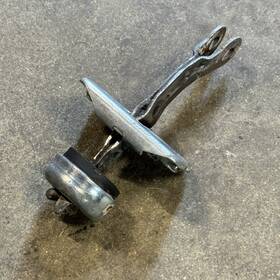
( Manufacturer Part Number: 90153103520 ), ( Type: Door ), ( Material: Steel ), ( Country Of Origin: Germany ), ( Placement On Vehicle: Front, Left, Right )
Review PORSCHE Early 912 Door Check Strap Catch Stop Swb fits 911
The **Porsche 90153103520 911 912 Door Check Strap Catch for Short Wheelbase (SWB)** is a meticulously engineered, high-performance replacement part designed exclusively for the iconic Porsche 911, specifically tailored to the 912 model s distinctive door mechanism. This precision-crafted component serves as the critical latch mechanism for the check strap, ensuring a secure and reliable closure of the driver s and passenger s doors an essential feature for both safety and driving dynamics. Crafted from durable, corrosion-resistant materials, the catch is built to withstand the rigorous demands of daily driving, high-speed maneuvers, and the inherent stresses of Porsche s legendary sports car chassis. Its sleek, aerodynamic design complements the 911 s timeless silhouette while maintaining full compatibility with the SWB model s shorter wheelbase, which requires exacting fitment to avoid clearance issues or operational inefficiencies. Whether restoring an original 912 or maintaining a classic Porsche, this part guarantees seamless functionality, reinforcing the door s structural integrity and contributing to the vehicle s legendary driving experience. Its universal application across generations of the 911 ensures that enthusiasts and restorers can rely on a part that balances authenticity with modern durability, embodying Porsche s commitment to both heritage and innovation.
### **Pros and Cons of Buying a Porsche 911 (996) 912 Door Check Strap Catch (SWB, Chassis Number 90153103520)**
#### **Pros**
1. **Classic 911 Design with Modern Appeal**
The 996 generation (1999 2005) is often considered the most underrated 911 series, blending a modernized front end with the timeless 911 silhouette. The 912 variant (with a 2.5L flat-six engine) offers a more approachable, fuel-efficient alternative to the high-revving 3.6L engine found in the 911 models.
2. **SWB (Short Wheelbase) Advantages**
The SWB version provides better handling dynamics, making it more agile and responsive than the longer-wheelbase (LWB) models. This makes it ideal for enthusiasts who prioritize driving dynamics over space.
3. **Reliability and Durability**
The 996 chassis, while not as revered as the 993 or 997, is generally robust if well-maintained. The 2.5L engine in the 912 is known for its longevity, especially when serviced regularly. Many examples have exceeded 200,000 miles with proper care.
4. **Modification Potential**
The 996 is a favorite among tuners due to its lightweight construction and aftermarket-friendly nature. Engine swaps (e.g., 993 or 997 engines), suspension upgrades, and bodywork modifications are relatively accessible.
5. **Lower Cost of Ownership (Compared to Later Models)**
Parts and maintenance are often cheaper than those for the 997 or 992 models, though this can vary depending on the specific component. Insurance costs are also typically lower than for more powerful or modern 911s.
6. **Collectible Status**
The 996, particularly the 912 variant, is gaining appreciation among collectors. Early examples (especially those with original paint and interiors) are becoming harder to find, which could increase value over time.
7. **Unique Character**
The 912 s 2.5L engine produces a distinctive, throaty sound that differs from the more aggressive 3.6L models. This gives it a distinct personality that appeals to purists.
---
#### **Cons**
1. **Mixed Reception and Reputation**
The 996 generation is often criticized for its dated styling (particularly the front end) and perceived lack of refinement compared to earlier (993) or later (997) models. Some buyers may find it less visually appealing than other 911 generations.
2. **Engine Limitations**
The 2.5L engine in the 912 is less powerful (around 220 230 hp) than the 3.6L engines in other 911 variants, making it feel underpowered by modern standards. It also lacks the high-revving character of the 993 s 3.6L or the torque of later models.
3. **Rust and Corrosion Concerns**
The 996 is notorious for rust, particularly in the wheel arches, sills, and subframes. A thorough inspection of the undercarriage and body panels is critical before purchase. Some examples may require extensive rust repairs.
4. **Electrical and Interior Issues**
The 996 s electrical system can be finicky, with common problems including faulty sensors, wiring harness failures, and infotainment glitches. The interior, while functional, is less luxurious than later models and may show wear over time.
5. **Suspension and Handling Criticisms**
While the SWB improves handling, the 996 s suspension setup is often considered harsh and less forgiving than the 993 s or 997 s. Many owners opt for aftermarket suspension upgrades to improve comfort and performance.
6. **Depreciation and Market Value**
The 996 has historically depreciated faster than other 911 generations, though this may be changing as interest in classic models grows. The 912 variant, in particular, is less sought after than the 911 (3.6L) models, which could affect resale value.
7. **Maintenance Costs**
While parts are often affordable, labor costs can add up, especially if the car requires specialized Porsche technicians. The 2.5L engine, while reliable, may require more frequent maintenance (e.g., valve adjustments, timing belt replacements) than modern engines.
8. **Emissions and Compliance**
Depending on the region, the 996 may face challenges with emissions regulations, particularly if modifications are made. Some countries have stricter rules for older vehicles, which could limit usage or require retrofitting.
---
### **Conclusion**
Buying a Porsche 911 996 SWB 912 (chassis 90153103520) can be a rewarding experience for the right buyer particularly those who appreciate classic 911 character, enjoy modification potential, or are drawn to its underrated status. However, it requires careful consideration of its flaws, including rust risks, engine limitations, and potential reliability issues.
This car is best suited for:- Enthusiasts who prioritize driving dynamics and modification over luxury.
- Buyers who are prepared for maintenance and potential rust repairs.
- Those who find value in its collectible potential and unique character.
- Owners who can afford to invest time and money into restoring or upgrading it.
If you re looking for a more refined, powerful, or modern 911 experience, later generations (997, 992) may be more appealing. However, for those who want a project car or a nostalgic driving experience, the 996 SWB 912 can be an exciting and rewarding purchase provided it is thoroughly inspected and restored if necessary.
---
### **Recommendation**
Before purchasing this specific example (chassis 90153103520), take the following steps:1. **Thorough Inspection**: Have a trusted Porsche mechanic or specialist (preferably one experienced with 996 models) perform a pre-purchase inspection. Focus on rust, engine condition, electrical systems, and suspension.
2. **Service History**: Verify that the car has been well-maintained, with records for oil changes, timing belt replacements, and any previous repairs.
3. **Test Drive**: Pay attention to handling, engine performance, and any unusual noises or vibrations.
4. **Budget for Repairs**: Be prepared for potential costs associated with rust repairs, suspension upgrades, or electrical fixes.
5. **Consider Alternatives**: If the price is high relative to the car s condition, compare it to other 996 models or consider a later-generation 911 if your priorities align better with those vehicles.
If the car checks out and fits your budget and goals, it can be a fantastic addition to your collection just be prepared for the work that may come with it. If you re looking for a turnkey, low-maintenance 911, a later model may be a better choice.
Details:
Genuine original check strap for early 911/912.
part #: 90153103520 prices
- $60.00-$150.00
specifications cartrimmouldings:
- for models: 911
- for makes: Porsche
- mpn: 90153103520
- type: Door
- material: Steel
- country of origin: Germany
- placement on vehicle: Front, Left, Right
general cartrimmouldings:
- condition: Used
- Car Truck Parts Accessories > Exterior Parts Accessories > Body Moldings Trims
offer cartrimmouldings:
- quantity: 1
- sold: 0
- availability: In Stock
- best offers: True
- options: Ship-to-home
- started: April 8, 2026
returns cartrimmouldings:
- policy: Returns Accepted
- time: 30 Days
- paid by: Seller
payments cartrimmouldings:
- wallet: Google-pay
- other
- credit card: Diners-club
shipping cartrimmouldings:
- carrier: USPS
- cost: $0.00
- transit: 3-9 Days
- class: Standard
- service: USPS Ground Advantage
- type: Fixed
seller cartrimmouldings:
- rating: 100.0%
- # reviews: 23374
- city: Felton, California
Porsche 90153103520 Is Similar To:
- Porsche 970-536-155-18-v09 10-16 Panamera Rear Left Driver Side Door Window Belt Frame Molding Oem (39.3% similar) They are of one-time use and very often get damaged when the part is removed. Expedited shipping available, directly for details. 10-16 porsche Panama rear left driver side door window belt frame molding oem. In other words, they may be present on the parts but require mandatory replacement with new...(January 24th, 2024)
- Porsche 7p5837788s Cayenne Gts Door Molding Right Front 2011 2012 2013 2014 Oem (30.6% similar) Part number must match. American express. Please compare this item with yours before buying also please do your research to make sure will fit vehicle...(May 6th, 2024)
- Porsche 95b839475d 2015-2023 Macan Gts Rear Left Side Door Window Belt Molding Trim Black (36.4% similar) 2015-2023 porsche Macon GTS rear left side door window belt molding trim black. Shipped with ups ground. Condition is used...(July 31st, 2024)
- Porsche 95855935200 11-14 Cayenne 958 Hybrid S Door Shell Rear Right Passenger Side Trim Oem (39.5% similar) Large items include: hood, door shell, fender, engine, transmission, trunk hatch, windshield, bumper, reinforcement clip, sub frame, roof, quarter apron, gas tank, etc. All of the parts are tested either before or after removal from vehicle. Shipping cost or carrier may change, based on final ...(August 1st, 2024)
- Porsche 971809857 Panamera Fuel Pocket Door 2018 2019 2020 971 809 857 Oem (33.1% similar) Please compare this item with yours before buying also please do your research to make sure will fit vehicle. Part number must match. American express...(August 1st, 2024)
- Porsche 7p5853317d 11-14 Cayenne 958 Door Shell Front Left Driver Side Trim Oem (38.9% similar) All of the parts are tested either before or after removal from vehicle. Large items include: hood, door shell, fender, engine, transmission, trunk hatch, windshield, bumper, reinforcement clip, sub frame, roof, quarter apron, gas tank, etc. Shipping cost or carrier may change, based on final ...(August 5th, 2024)
- Porsche 95855947511 11-14 Cayenne Gts 92a Front Left Exterior Door Window Slot Seal Trim (36.9% similar) Part fitment and compatibility. Remember left means the drivers side of vehicle and right passengers in our listings...(August 13th, 2024)
- 95b837432d 15-24 Porsche Macan Front Right Passenger Side Door Window Glass Frame Seal Q (30.1% similar) No expedited shipping options are available at this time...(August 29th, 2024)
- Porsche 95b839476a 2015-2018 Macan Rear Right Exterior Door Molding Trim (38.3% similar) Part fitment and compatibility. Please here to view details 2015 -2018 porsche Macon - rear right exterior door molding / trim 95B839476A: condition notes this part comes as shown in the picture. Remember left means the drivers side of vehicle and right passengers in our listings...(September 7th, 2024)
- Porsche 92855912004 Very Nice Original 928 Black Passengers Door Upper Rain Tray Trim 3 (32.7% similar) Here is a very nice used original genuine porsche passengers door upper rain tray trim 928.559.120.04 as on 1978 -95 928 model's. This can be shipped anywhere worldwide. Weir spreeing porsche. No surprises here. Please see pictures...(September 7th, 2024)
- Oem 993.531.041.01 Porsche 911 964 993 Left Outer Door Molding Trim For Convertible (33.8% similar) Usable also for porsche 911 and 964. Please look at my other porsche parts. What you see is what get. Donor CAR1995 porsche 993 convertible. Shipping within the lower 48 is free ups ground. Porsche 911 / 964 /993 convertible oem left side outdoor window channel moulding outer top door cover trim for...(September 13th, 2024)
