LINCOLN C1VB-74423A52-A Outtter Rear Finishing Panels
fits model: Rt, Lt, Continental. make: Lincoln. year: 1961.
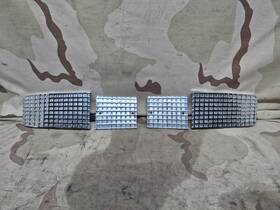
( Manufacturer Part Number: C1VB-74423A52-A ), ( Placement On Vehicle: Rear ), ( Type: Fender ), ( Color: Silver ), ( Features: Easy Installation ), ( Finish: Chrome )
Review LINCOLN Chrome And Outtter Rear Finishing Panels Oem fits CONTINENTAL RT LT 1961
The **1961 Lincoln Continental Mark III RT Outer Rear Finishing Panels (Part Number: C1VB-74423A52-A)** represent a meticulously crafted component from one of the most iconic and luxurious automobiles ever produced by Ford Motor Company. These panels are essential for restoring or maintaining the pristine, high-end appearance of the legendary Continental Mark III, a model celebrated for its opulent design, smooth performance, and timeless elegance. Crafted from high-quality, durable materials, these outer rear finishing panels are designed to seamlessly integrate with the bodywork, ensuring a flawless aesthetic that aligns with the car s original specifications. The panels feature a polished, chrome-plated finish on select surfaces, adding a touch of sophistication that was characteristic of Lincoln s premium offerings during the early 1960s. Their precise engineering accounts for the Mark III s distinctive tail design, which includes the signature "Continental" script and the elegant, sweeping lines of the rear quarter panels. Whether used for a full restoration or as part of a cosmetic refresh, these panels are a testament to the meticulous attention to detail that defined Lincoln s craftsmanship in an era when luxury and innovation were synonymous. For enthusiasts and collectors, they offer an opportunity to preserve or enhance the car s heritage, ensuring that every detail reflects the grandeur of the original 1961 model.
### **Pros and Cons of Buying a 1961 Lincoln Continental RT Outer Rear Finishing Panels (Part Number: C1VB-74423A52-A)**
#### **Pros**
1. **Authenticity and Rarity** These panels are original or high-quality reproduction parts for a classic luxury car, making them desirable for restoration or customization projects. The 1961 Continental RT is a highly sought-after model, and genuine or well-made aftermarket parts enhance its value.
2. **Improved Aesthetics** If the current rear panels are damaged, rusted, or mismatched, replacing them with new or restored ones will significantly improve the car s appearance. A well-finished rear end contributes to the car s overall elegance and roadworthiness.
3. **Prevents Further Rust and Damage** Rust is a common issue in older vehicles, especially in the rear quarter panels. Replacing these panels can halt corrosion before it spreads to structural components, saving long-term repair costs.
4. **Increased Resale Value** A fully restored or well-maintained 1961 Continental RT with original or high-quality aftermarket parts retains or even appreciates in value, especially among collectors and enthusiasts.
5. **Customization Opportunities** If you re modifying the car (e.g., lowering, widening, or adding modern amenities), these panels may need replacement or adjustment. Having the right parts ensures a seamless fit.
6. **Historical Accuracy** For purists, using original or factory-spec parts preserves the car s heritage, which is crucial for concours-level shows or historical preservation efforts.
---
#### **Cons**
1. **High Cost** Original or high-quality reproduction parts for a 1961 Lincoln Continental can be expensive, especially if sourced from specialty suppliers or restorers. Labor costs for installation may also be significant.
2. **Difficulty in Sourcing** Finding the exact part (C1VB-74423A52-A) may require searching through vintage auto parts dealers, eBay, or restoration forums. Some suppliers may not stock these parts, leading to delays or the need for alternatives.
3. **Installation Complexity** Replacing rear quarter panels on a classic car often requires welding, bodywork, and paint matching. If you lack experience, professional installation will add to the expense.
4. **Potential for Counterfeit Parts** Some aftermarket suppliers sell knockoff parts that may not fit perfectly or hold up over time. Researching the supplier s reputation and material quality is essential.
5. **Weight and Performance Impact** Original panels may be heavier than modern alternatives, which could slightly affect handling or fuel efficiency. However, this is usually negligible for a car of this era.
6. **Time-Consuming Process** Restoration or replacement projects take time, especially if other bodywork or mechanical repairs are needed simultaneously. This may not be ideal for those seeking a quick fix.
7. **Depreciation Risk** While classics can appreciate, they also carry risks. If the market shifts or the car isn t maintained properly, the investment may not yield expected returns.
---
### **Conclusion**
Buying the **1961 Lincoln Continental RT Outer Rear Finishing Panels (C1VB-74423A52-A)** is a worthwhile investment if you are committed to restoring or preserving this iconic vehicle. The benefits such as improved aesthetics, rust prevention, and increased value outweigh the drawbacks for serious collectors or enthusiasts. However, the high cost, sourcing challenges, and labor-intensive installation must be carefully considered.
If you are restoring the car for personal enjoyment or concours participation, prioritizing quality parts is essential. If budget is a concern, weigh whether the panels are critical to the project or if alternatives (e.g., body-on-frame repairs) could suffice.
---
### **Recommendation**
- **Proceed if:**- You are restoring the car to showroom condition or for historical preservation.
- You have a reliable source for the part (preferably original or a well-reviewed reproduction).
- You are prepared for the time and cost involved in installation.
- You plan to keep the car long-term, as the investment will pay off in value and enjoyment.
- **Avoid or Delay if:**- You are on a tight budget and the panels are not critical to immediate use.
- You lack experience with classic car bodywork and cannot afford professional installation.
- The car s overall condition is poor, and other major repairs (engine, chassis, electrical) are pending.
For the best results, consult with a Lincoln Continental specialist or a trusted restoration shop before purchasing. If sourcing the exact part is difficult, consider contacting vintage auto part archives or restoration forums for leads.
Details:
Signs of wear see photos for details. This is a previously installed part that in overall good condition. 2 panels have same part number as shown.
part #: c1vb74423a52 prices
- $251.97-$275.00
specifications cartrimmouldings:
- for models: Rt, Lt, Continental
- for makes: Lincoln
- for years: 1961
- mpn: C1vb-74423a52-a
- placement on vehicle: Rear
- type: Fender
- color: Silver
- features: Easy Installation
- finish: Chrome
payments cartrimmouldings:
- wallet: Google-pay
- other
- credit card: Visa
offer cartrimmouldings:
- sold: 0
- quantity: 1
- options: Ship-to-home
- started: March 20, 2026
- availability: In Stock
returns cartrimmouldings:
- policy: No Returns
general cartrimmouldings:
- Car Truck Parts Accessories > Exterior Parts Accessories > Body Moldings Trims
- condition: For parts or not working
seller cartrimmouldings:
- rating: 99.8%
- # reviews: 2488
- city: Waukegan, Illinois
shipping cartrimmouldings:
- transit: 4-8 Days
- type: Fixed
- service: Economy
- class: Economy
- cost: $19.97
Lincoln C1VB-74423A52 Is Similar To:
- Lincoln De9z-17e811-aa 2013 To 2016 Mkt Driver Left Side Fog Light Trim Bezel B312 Oem Dg1 (34.3% similar) Everything is selling as is. Part is in good condition. Item is wrapped safety after polished and ready to be sent...(February 9th, 2024)
- Lincoln Ae9z7425596c Weather Strip Belt Mkt 2010 2019 Passenger Side Back Door Outer Molding Trim Oem (39.6% similar) Part #: lincoln AE9Z7425596C for sale...(May 9th, 2024)
- Lincoln Gd9z17f827b Continental Rear Left Side Exhaust Muffler Tip Tail Pipe Oem 2017 2020 (41.5% similar) Free shipping is available for most items within the 48 states. This is an item that has been previously used. Please verify that it fits and is compatible with your specific model before purchasing. All parts including engines, transmissions, transfer cases, differentials, batteries come with a 30 ...(July 31st, 2024)
- Lincoln C757t 2020-2024 Corsair Left Right Rear Liftgate Trunk Anti Pinch Sensor Oem (44.6% similar) 2.0L turbocharged GTI i4 engine. 67,153 miles. Parts came off a 2020 lincoln corsair standard trim fwd 2.0L. 8-SPEED automatic transmission fwd...(August 4th, 2024)
- Lincoln F7lz-63018a16-aaa Cowl Vent Panel Mark Viii 1998 Driver Passenger Front Windshield Grill Cover Oem (30.5% similar) 1998 mark viii cowl vent panel windshield wiper upper trim grill cover hood duct, details: cowl vent panel driver passenger front windshield grill cover, this parts may also fit: lincoln...(August 7th, 2024)
- Lincoln F6vb-5443320-ac Oem 1996-97 Town Car Trunk Lock Trim Bezel Emblem Badge (24.7% similar) Shipping is free in the lower 48 states. Comes with everything you see in the pictures...(August 15th, 2024)
- Lincoln Lj7b-s20562 2020-2024 Corsair Left Driver Front Door Window Belt Molding Oem note (38.7% similar) Parts came off a 2022 lincoln corsair reserve trim fwd 2.0L. 8-SPEED automatic transmission fwd. 2.0L turbocharged GTI i4 engine...(August 26th, 2024)
- Lincoln F254a40 2013 2014 2015 2016 Mkz Rear Right Keyboard Actuator Pillar Trim C1381 (33.9% similar) Part has scratch pic NR everything is selling as. Item is wrapped safety after polished and ready to be sent. Part is used...(August 28th, 2024)
- Lincoln Ka1z16228aa Oem 2019 2023 Nautilus Left Door Nameplate Chrome Emblem Ka1z-16228-aa (31.7% similar) Oem 2019 - 2023 lincoln nautilus left door nameplate chrome emblem KA1Z-16228-AA. Comes as pictured. Oem part in used condition with some broken tabs shown photos 9-11. See photos for details. Face is in good used shape with minor road wear. Will need to be re-taped for installation...(August 29th, 2024)
- Lincoln De93-15a245-aaw 2013 To 2016 Mkt Right Passenger Side Fog Light Trim Bezel C2314 Oem Dg1 (33.2% similar) Everything is selling as is. Item is wrapped safety after polished and ready to be sent...(September 6th, 2024)
- Lincoln Gd9b-f101d57-a 2017-2020 Continental Left Driver Side Skirt Rocker Panel Molding Oem (50.3% similar) 6-SPEED automatic transmission 6F55. 2.7L oboist turbo GTI v6 engine. Parts came off a 2017 lincoln continental reserve fwd. 43,403 miles...(September 11th, 2024)
