FORD C45B-63517A20-C Roof Top Emblems
fits model: Thunderbird. make: Ford. year: 1964.
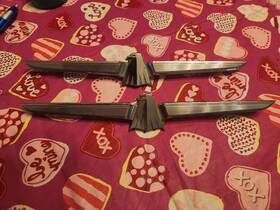
( Manufacturer Part Number: C45B-63517A20-C ), ( Type: Roof ), ( Manufacturer Warranty: 1 Month ), ( Oe/oem Part Number: C45b-63517a20c ), ( Color: Silver ), ( Features: Easy Installation, No Drilling Required ), ( Universal Fitment: No ), ( Vintage Part: Yes ), ( Finish: Chrome ), ( Placement On Vehicle: Left, Right )
Review FORD Roof Top Emblems fits THUNDERBIRD 1964
The **1964 Ford Thunderbird C45B-63517A20-C Roof Top Emblems** are a highly sought-after collectible item for enthusiasts of classic American automobiles, embodying the sleek elegance and bold identity of one of Ford s most iconic models from the early 1960s. These emblems, crafted from polished chrome, are designed to mount prominently on the roof of a Thunderbird, serving as both a functional identifier and a striking visual statement. The **C45B** designation refers to the specific model year and series, while the **63517A20-C** code likely corresponds to the exact variant, ensuring authenticity for collectors and restorers aiming for historical accuracy. Each emblem features the Thunderbird s signature **winged "T-Bird" logo**, a symbol synonymous with luxury, performance, and the golden era of American automotive design. The wings, rendered in crisp, three-dimensional detail, exude a sense of motion and sophistication, while the surrounding scripted "THUNDERBIRD" lettering is bold yet refined, capturing the spirit of the era. These emblems were originally installed on the **1964 Thunderbird models**, which introduced a more aerodynamic and streamlined body style, including the distinctive "fastback" roofline that set the standard for personal luxury cars of the time. The roof-top placement not only enhanced the vehicle s presence but also allowed the emblem to be visible from a distance, reinforcing the Thunderbird s reputation as a statement of success and style. For collectors and restorers, these emblems are more than just decorative accents they are essential components that contribute to the authenticity and heritage of a classic Thunderbird. Whether installed on a meticulously restored original or a carefully rebuilt replica, these **1964 Ford Thunderbird roof top emblems** add a touch of timeless allure, ensuring that every glance at the vehicle evokes the glamour and innovation of a bygone automotive era.
### Pros and Cons of Buying a 1964 Ford Thunderbird with a Roof Top Emblem (C45B-63517A20-C)
#### **Pros**
1. **Classic American Design** The 1964 Thunderbird is a quintessential example of mid-century American automotive styling, with its sleek, elongated body, distinctive grille, and iconic fastback roofline. It embodies the confidence and elegance of the era, making it a visually striking vehicle.
2. **Strong Engine Options** The 1964 Thunderbird was available with a range of powerful engines, including the **289 cubic inch V8 (271 hp in the Fairlane version)** and the **427 cubic inch V8 (425 hp in the rare 427 model)**, which were among the most potent engines of the time. The 427 version, in particular, is highly sought after by enthusiasts.
3. **Luxury and Comfort** The Thunderbird was marketed as a luxury car, featuring high-quality interior materials (such as vinyl, wood trim, and chrome accents), power steering, power windows, and a spacious, comfortable cabin. The 1964 model continued this tradition with refined amenities.
4. **Collectible Status** The 1964 Thunderbird, especially in well-preserved condition, is a highly collectible vehicle. Its rarity (particularly the 427 model) and historical significance drive up its value over time. Ownership can be a rewarding investment if the car is maintained properly.
5. **Driving Experience** For enthusiasts, the Thunderbird offers a smooth, engaging driving experience, especially with its V8 engines. The suspension and handling are well-balanced for its size, making it enjoyable to drive on both highways and winding roads.
6. **Customization Potential** The Thunderbird s classic design allows for a wide range of modifications, from engine swaps (e.g., modern turbocharged V8s or small-block Chevy engines) to interior restorations. The roof-top emblem (C45B-63517A20-C) is part of the original factory badging, which adds to its authenticity for purists.
7. **Cultural Significance** The Thunderbird was a symbol of American automotive innovation and luxury in the 1960s. Owning one connects you to a piece of automotive history, which can be personally fulfilling for history buffs and car lovers.
---
#### **Cons**
1. **High Maintenance Costs** Like all classic cars, a 1964 Thunderbird requires significant upkeep. Original parts are expensive or difficult to find, and modern replacements may not fit perfectly. Common issues include rust (especially in the floor pans and wheel wells), worn suspension components, and aging electrical systems.
2. **Fuel Economy** The Thunderbird s V8 engines are thirsty, particularly the 427 model, which can consume **15-20 miles per gallon** in real-world driving. Fuel costs add up quickly, especially if the car is driven frequently.
3. **Reliability Concerns** Even with proper maintenance, classic cars are not as reliable as modern vehicles. The 1964 Thunderbird s drivetrain, electrical system, and cooling components can fail unexpectedly, leading to costly repairs or downtime.
4. **Insurance Challenges** Insuring a classic car can be expensive, especially if it is a high-value or rare model like the 427 Thunderbird. Specialized insurers for collectibles may be required, and coverage for modifications or restorations can be limited.
5. **Driving Practicality** The Thunderbird is a large, heavy car with limited maneuverability in tight spaces. Parking, navigating city streets, and towing (if applicable) can be more difficult than with modern vehicles. Its size also makes it less fuel-efficient and more expensive to operate.
6. **Depreciation Risk** While some classic cars appreciate in value, others depreciate if they are not well-maintained or if the market shifts. A Thunderbird that is not restored to showroom condition may lose value over time.
7. **Legal and Compliance Issues** Restoring or modifying a classic car may require compliance with modern safety and emissions standards, depending on how it is used. Some states have restrictions on vintage vehicles, and retrofitting them for modern use can be complex and costly.
8. **Time and Financial Commitment** Owning a classic car is not just about the purchase price; it requires a long-term commitment to maintenance, storage, and occasional restoration. Budgeting for unexpected repairs and storage fees (e.g., a garage or climate-controlled facility) is essential.
---
### **Conclusion**
The 1964 Ford Thunderbird, particularly with its original roof-top emblem (C45B-63517A20-C), is a stunning and historically significant vehicle that appeals to enthusiasts, collectors, and those who appreciate classic American design. Its combination of luxury, power, and cultural relevance makes it a desirable possession. However, the challenges of ownership high maintenance costs, fuel inefficiency, reliability issues, and the need for long-term commitment cannot be overlooked.
For the right buyer, the Thunderbird can be a source of immense pride and joy, especially if they are prepared to invest time and resources into its care. It is ideal for someone who:
- Values automotive history and aesthetics.
- Has experience with classic car maintenance or is willing to learn.
- Can afford the ongoing costs of ownership.
- Enjoys driving a unique, powerful, and luxurious vehicle.
For others, particularly those seeking a practical, low-maintenance daily driver, the Thunderbird may not be the best choice. In such cases, a modern vehicle or a more modern classic (e.g., a restored 1980s-1990s muscle car) might be a more practical alternative.
### **Recommendation**
If you are considering purchasing a 1964 Ford Thunderbird, take the following steps to ensure a wise investment:1. **Thoroughly Inspect the Vehicle** Have it professionally inspected by a classic car mechanic to assess its condition, rust, engine health, and overall structural integrity. Look for documentation of past restorations or repairs.
2. **Verify Authenticity** Ensure the roof-top emblem (C45B-63517A20-C) and other factory badging are original or properly restored. Counterfeit or aftermarket parts can devalue the car.
3. **Research the Market** Compare similar models in auctions (e.g., Barrett-Jackson, RM Sotheby s) and private sales to gauge fair pricing. The 427 model is particularly valuable, while standard 289 models may be more affordable but still require care.
4. **Budget for Restoration** If the car is not in showroom condition, factor in the cost of bringing it to a desirable state. Prioritize structural repairs, engine work, and rust treatment.
5. **Consider Insurance and Storage** Obtain quotes from specialized insurers and plan for secure storage (e.g., a garage or climate-controlled facility) to protect the investment.
6. **Evaluate Your Lifestyle** Ask yourself if you can realistically maintain the car long-term. If you are not prepared for the commitment, consider alternatives like a restored classic that requires less upkeep.
Ultimately, the 1964 Thunderbird is a fantastic choice for the right owner one who cherishes classic cars and is willing to embrace the challenges of ownership. For those who meet these criteria, it is a rewarding and iconic vehicle that stands the test of time.
Details:
Pitted,scratched as expected for a 1964 Thunderbird roof top emblems, pair,chrome.
part #: c45b63517a20 price
- $80.00
specifications cartrimmouldings:
- for models: Thunderbird
- for makes: Ford
- for years: 1964
- mpn: C45b-63517a20-c
- type: Roof
- manufacturer warranty: 1 Month
- oe/oem part number: C45b-63517a20c
- color: Silver
- features: Easy Installation, No Drilling Required
- universal fitment: No
- vintage part: Yes
- finish: Chrome
- placement on vehicle: Left, Right
general cartrimmouldings:
- condition: Used
- Car Truck Parts Accessories > Exterior Parts Accessories > Body Moldings Trims
seller cartrimmouldings:
- city: La Pine, Oregon
- # reviews: 58
- rating: 100.0%
returns cartrimmouldings:
- policy: No Returns
shipping cartrimmouldings:
- service: USPS Ground Advantage
- transit: 5-11 Days
- class: Standard
- type: Calculated
- cost: $0.00
- carrier: USPS
payments cartrimmouldings:
- other
- credit card: Mastercard
- wallet: Paypal
offer cartrimmouldings:
- best offers: True
- availability: In Stock
- sold: 0
- started: March 1, 2026
- options: Ship-to-home
- quantity: 1
Ford C45B-63517A20 Is Similar To:
- Goldenlion Yc3z-2551728-ptm Black Left Right Side Roof Molding For 1999-2007 Ford F250 F350 F450 Super Duty (28.6% similar) 2 x roof molding. Oe/oem part no. Fit position. YC3Z-2551728-PTM,YC3Z-2551729-PTM. Manufacturer parts no. Manufacturer warranty. This will save time to process and get you money back. Black left right side roof molding for 1999 -2007 ford F250 F350 F450 super duty specifications...(October 19th, 2023)
- Ford 812.fd1r05 2005 Thunderbird Front Center Windshield Moulding Oem (43.2% similar) Miles means are unknown. Find us on Facebook. Facebook //. R00384665 812.FD1R05 ZK8143...(November 29th, 2023)
- Ford C9sz-291a24 1967 1968 1969 1970 1971 Thunderbird Rear Quarter Edge Moulding Pair Used (45.8% similar) See photos for condition. These are in good condition some minor ding and scuffs drivers they could use a buffing. Part number C9SZ-291A24/5. Up for sale this pair of used 1967 to 1971 ford thunderbird pair - 1 right and left rear quarter mouldings...(August 2nd, 2024)
- Ford C0sb-6328985-a 1960 Thunderbird Rare Oem Super Nice Quarter Panel Molding (50% similar) Part #: ford C0SB-6328985-A for sale...(August 6th, 2024)
- Ford C7zb-65423a23-a 1967 1968 Oem Mustang Coupe Vinyl Top Roof Trim Molding Moulding Pillar Pair (37.1% similar) Used part, sold as is. Decent used pair, but please look carefully all pictures before purchasing. Original pair, some minor blemishes including one small dimple on outside...(August 16th, 2024)
- Ford E9sz-6342528-b 96-97 Thunderbird Lx Trunk Lid Emblem Oem Nameplate Rear (53.8% similar) Please match our part number with your original one. If the item was damaged on return shipping due to poor packaging, is not accepted. Please ship the item back in its original package...(August 19th, 2024)
- Ford Truck 198-00361l Driver Center Pillar Roof Air Bag B Only Fits 07-14 Expedition 4991 (32.2% similar) Navigator 07-14 roof air bag, b pillar only, 119 QB...(August 20th, 2024)
- Ford D3az-6520934-a 1973-74 Ltd 4 Door Vynal Top Trim Both Sides (47.5% similar) Both sides from 4 door 1974 ford ltd. Venal top trim...(August 20th, 2024)
- Thunderbird E0sb-8c086-aa Original 1980 1981 1982 Ford Hood Ornament Oem E0sb 8c086-aa (27.1% similar) Up for sale is this vintage, original 1980 1981 1982 ford thunderbird hood ornament, oem E0SB-8C086-AA. This part is sold as. This rare, original part is in good condition, with wear and blemishes. See photos for actual item you will receive...(August 22nd, 2024)
- Ford Fomoco Factory Original Oem C4sb-63044c26-c Thunderbird Dash Upper Console Chrome Panel Trim 1964-1966 64-66 3 (39.1% similar) This is the upper instrument panel trim for a 1964 thru 1966 ford thunderbird...(August 23rd, 2024)
- Ford Fl3z-1651728-aa Rear Right Passenger Top Roof Drip Molding Cap 15-18 F-150 Fl3z1651728aa (35.4% similar) Rear right passenger top roof drip molding cap 15-18 ford F-150 FL3Z1651728AA...(August 26th, 2024)
