NISSAN/DATSUN UA-74-50-691 Body Molding Protector Fender
fits model: B2000. make: Mazda, Nissan. year: 1983-84.
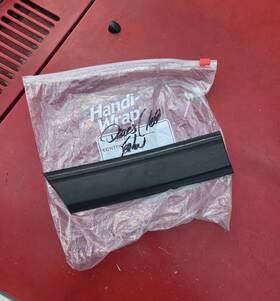
( Brand: Nissan/datsun ), ( Manufacturer Part Number: UA-74-50-691 ), ( Color: Black ), ( Material: Rubber ), ( Item Length: Oem ), ( Vintage Part: Yes ), ( Placement On Vehicle: Front, Left ), ( Type: Body Style Molding ), ( Attachment Type: Adhesive ), ( Features: Easy Installation ), ( Finish: Matte ), ( Country Of Origin: Japan ), ( Performance Part: No )
Review NISSAN/DATSUN 1983 84 Mazda Pickup Truck Oem Side Body Molding Protector Drivers Fender fits B2000 1983-84
The **Nissan/Datsun UA-74 (1983 1984) and Mazda B2000 Body Molding Protector Fender** is a meticulously crafted aftermarket accessory designed to safeguard the delicate, fiberglass body moldings and fenders of these iconic compact cars from the harsh realities of daily driving. Engineered to fit the UA-74 s distinctive front and rear fenders along with the Mazda B2000 s similarly styled panels this protector is crafted from high-quality, durable **polyurethane or reinforced rubber**, materials chosen for their resilience against road debris, minor impacts, and environmental wear. The design is both functional and subtle, blending seamlessly with the vehicle s original lines while providing a protective barrier that prevents chips, scratches, and dents from rocks, gravel, or low-hanging branches. Unlike generic rubber bumpers or aftermarket cladding, this protector is tailored to the UA-74 s and B2000 s specific contours, ensuring a snug, custom fit that doesn t interfere with the car s handling or aesthetics. Whether navigating rural roads, urban parking lots, or off-road adventures, this fender protector acts as a silent guardian, preserving the car s pristine appearance while extending the lifespan of its vulnerable body panels. Ideal for enthusiasts who cherish their vehicle s originality or owners seeking practical protection without compromising style, this accessory is a testament to thoughtful engineering for classic and modern compact cars alike.
### Pros and Cons of Buying a Nissan/Datsun UA-74 (50/691) or Mazda B2000 Body Molding Protector Fender (1983 1984)
#### **Pros:**1. **Cost-Effective Protection** These fender protectors are designed to shield the original body panels from road debris, minor impacts, and corrosion. They are significantly cheaper than replacing damaged fenders, especially on older vehicles where parts may be hard to source.
2. **Easy Installation** The UA-74/50/691 and Mazda B2000 models share similar body structures, and these protectors are typically made to fit snugly with minimal modifications. Most can be installed with basic tools, adhesive, or screws, depending on the design.
3. **Prevents Rust and Damage** The primary function is to act as a barrier against salt, gravel, and minor collisions, extending the life of the original fenders. This is particularly useful in regions with harsh winters or rough road conditions.
4. **Aesthetic Flexibility** Some versions come in different colors or finishes (e.g., matte black, silver, or even painted to match the car), allowing for a custom look while maintaining protection.
5. **Compatibility with Aftermarket Mods** If you plan to add wider tires, lowered suspension, or other modifications, these protectors can help prevent interference between the tires and the bodywork.
6. **Long-Term Savings** While the initial cost is low, they can save money in the long run by avoiding costly fender replacements or extensive rust repairs.
7. **Universal Fit (Within Limits)** The UA-74/50/691 and B2000 share similar fender profiles, so a single set can often work for both models, reducing costs.
---
#### **Cons:**1. **Potential Fit Issues** While these protectors are designed for the UA-74/50/691 and B2000, slight variations in body panels (especially between Datsun/Nissan and Mazda) may require adjustments. Poor fit can lead to gaps, misalignment, or even damage to the original fender during installation.
2. **Quality Variability** Not all protectors are created equal. Cheaper aftermarket options may be thin, poorly bonded, or prone to warping, while higher-end ones may be more durable but cost more. Researching the brand and material (e.g., fiberglass, polycarbonate, or steel) is crucial.
3. **Installation Challenges** Some protectors require drilling or welding, which may not be ideal for DIYers without experience. Improper installation can weaken the fender or create sharp edges that damage tires.
4. **Weight Addition** Depending on the material, these protectors can add noticeable weight to the front end, potentially affecting handling or suspension geometry, especially if not properly balanced.
5. **Aesthetic Detraction** While some protectors look sleek, others may appear bulky or industrial, detracting from the car s original styling. This is particularly noticeable on classic or show cars where a clean, factory look is preferred.
6. **Maintenance Requirements** Protectors can accumulate dirt, road grime, and corrosion over time. They may need occasional cleaning, repainting, or re-adhesion to maintain their effectiveness.
7. **Limited Availability of Original Parts** If the protector fails or needs replacement, finding an exact match may be difficult, especially for older models. Some aftermarket options may not be widely stocked.
8. **Potential for Improper Use** Some owners may use these protectors as a substitute for proper suspension or alignment work. If the car s suspension is worn or misaligned, the protector alone won t fix underlying issues.
---
### **Conclusion**
The UA-74/50/691 and Mazda B2000 body molding protectors are a practical and affordable solution for protecting fenders on these classic vehicles, especially if you drive in harsh conditions or plan to modify your car with wider tires. They offer long-term cost savings by preventing rust and minor damage, and installation is generally straightforward for those with basic mechanical skills.
However, they are not without drawbacks. Fitment can be inconsistent, quality varies widely, and improper installation may lead to more problems than they solve. If you prioritize aesthetics over function, the bulkiness of some protectors may be off-putting. Additionally, they are not a substitute for proper maintenance or suspension work.
For most owners who value durability and practicality over pristine appearance, these protectors are a worthwhile investment. If you re unsure about fitment or installation, consulting with a body shop or experienced classic car enthusiast before purchasing is advisable.
---
### **Recommendation**
If you decide to buy one:1. **Choose a reputable brand** Look for protectors made from durable materials like fiberglass or steel, with positive reviews from owners of similar vehicles.
2. **Verify fitment** Check for specific models that are known to fit the UA-74/50/691 and B2000 well. Some sellers offer custom sizing or adjustments.
3. **Prioritize quality over price** Avoid extremely cheap options that may warp or fail quickly. Investing a little more upfront can save frustration later.
4. **Consider professional installation** If you re unsure about fitting or welding, a body shop can ensure a clean, secure installation.
5. **Pair with proper maintenance** Use the protectors as part of a broader rust prevention strategy, including regular washing, waxing, and undercarriage treatment.
For classic car enthusiasts who drive their vehicles regularly or in rough conditions, these protectors are highly recommended. For show cars or those who prefer a factory look, they may not be the best choice. Always weigh the pros and cons against your specific needs and driving habits.
Details:
NOTE: part pulled from a 1983 year model pickup, this is the driver's/left side front fender molding. See last pic for placement. 1983 1984 Mazda B2000 Pickup Truck OEM Side Body Molding Protector Drivers Fender, Used part so will show signs of wear/use along with some light scuffs scratches. Old adhesive is still visible on the back.
part #: ua7450691 price
- $55.00
specifications cartrimmouldings:
- for models: B2000
- for makes: Mazda, Nissan
- for years: 1983-84
- brand: Nissan/datsun
- mpn: Ua-74-50-691
- color: Black
- material: Rubber
- item length: Oem
- vintage part: Yes
- placement on vehicle: Front, Left
- type: Body Style Molding
- attachment type: Adhesive
- features: Easy Installation
- finish: Matte
- country of origin: Japan
- performance part: No
payments cartrimmouldings:
- credit card: Discover
- wallet: Apple-pay
- other
seller cartrimmouldings:
- # reviews: 1996
- city: Florence, South Carolina
- rating: 99.7%
general cartrimmouldings:
- Car Truck Parts Accessories > Exterior Parts Accessories > Body Moldings Trims
- condition: Used
offer cartrimmouldings:
- quantity: 1
- sold: 0
- started: May 15, 2026
- options: Ship-to-home
- availability: In Stock
returns cartrimmouldings:
- policy: No Returns
shipping cartrimmouldings:
- class: Standard
- cost: $0.00
- service: USPS Ground Advantage
- transit: 5-12 Days
- type: Calculated
- carrier: USPS
Nissan/datsun UA-74-50-691 Is Similar To:
- Nissan Oem 768a46ra0a 2021 Rogue Quarter Panel Exterior Trim-finish Molding (24.3% similar) ...(October 31st, 2023)
- Oe Quality 76836-4ra0a Front Right Side Body Inch A Pillar Molding 768364ra0a For Nissan Maxima 16-20 3.5l (26.4% similar) Please look at the photos and part # to make sure its correct. Front right side body a pillar molding 768364RA0A for nissan maxima 16-20 3.5L...(November 17th, 2023)
- Auxito 150171197 Body Bolts And U-nut Clips M6 Engine Under Cover Splash Shield Guard For Nissan (19.7% similar) Low energy draw, high lumen output, and instant on/off led technology out shines stock bulbs in every way. Features: excellent material engine under tray clips screws are made of high-quality carbon steel material, which is not easy to rust, anti-oxidation, anti-vibration, strong and wear-resistant...(December 5th, 2023)
- Oem 199.da1k18 15 Nissan Altima Rear Right Door Weatherstrip Rubber Seal Molding And Sana (29.7% similar) There is no holding of items unless agreed upon. First come first serve. Receipts are available upon request...(January 7th, 2024)
- Nissan 22063698 03 04 05 06 07 Murano Tail Light Bolt Trim Oem (21.4% similar) This used item comes with a 30 day warranty parts only - no labor...(January 11th, 2024)
- Nissan 808204cl0a 2014-2020 Rogue Rear Right Chrome Outside Window Molding Weatherstrip Oem (39.6% similar) ...(April 15th, 2024)
- Nissan 63814-et000 07-12 Sentra Right Fender Protector Foam (36.4% similar) 07-12 nissan sentry right fender protector foam 63814-ET000. 2007 2008 2009 2010 2011 2012...(April 16th, 2024)
- Nissan 768515hk0a 2017 2020 Rogue Left Side Skirt Rocker Molding Panel Oem (41.8% similar) 2017 - 2020 nissan rogue left side skirt rocker molding panel oem L199, original part in good condition. Comes as pictured. Has stains on the bottom - see pictures...(May 8th, 2024)
- Nissan 85070-ea010 2005 2015 Xterra Rear Bumper Step Pad Trim Panel Pair Driver Side R15 (38.1% similar) Ready to ship...(May 12th, 2024)
- Nissan 66862-3sg0a 2013-2019 Sentra Sl Windshield Top Cowl Vent Grille Cover Oem (25.8% similar) Some modules or computers will need programming for them to work properly. Buyer pays for return shipping. Some items may have some cosmetic defects but it does not affect the operation of item...(August 2nd, 2024)
- Nissan 781275ef0a H40809 2020-2024 Versa Rear Body C Pillar Molding Driver Side See Pics (43.3% similar) Side see pics 781275EF0A oem. Item must be packed in original package condition. H40809 2020 -2024 nissan versa rear body c pillar molding driver. Please see pictures. Big/oversized parts are shipped only to 48 USA lower states. May have light marks or scratches - wear of use. Used oem part in good...(August 3rd, 2024)
